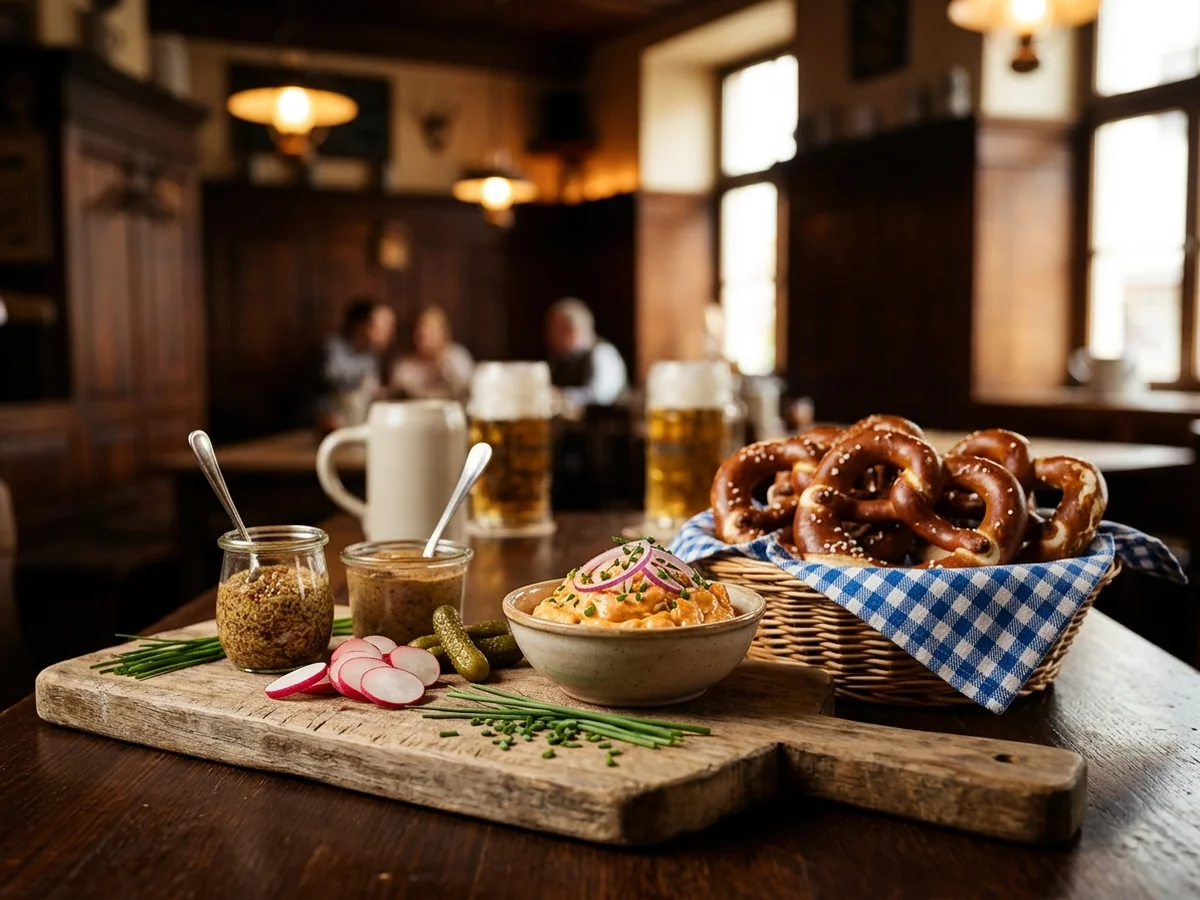
oktoberfest soft beer pretzels best german dip
Introduction to Oktoberfest Soft Beer Pretzels
Oktoberfest soft beer pretzels are the classic, chewy knots that you’ll find at Bavarian festivals, served warm alongside a cold brew. This brief guide explains the tradition of soft pretzels at Oktoberfest and shows why a beer‑infused dough gives them an unmistakably Bavarian taste.
The pretzel’s history dates back to medieval German markets, where street vendors offered the salty snack to thirsty travelers. Adding Bavarian beer to the dough introduces maltiness and subtle hop notes that echo the flavors of Oktoberfest’s iconic lagers, creating a harmonious pairing with the pretzel’s crusty exterior and tender interior. The result is an authentic snack that feels right at home on any Oktoberfest table.
Essential Ingredients for an Oktoberfest Soft Beer Pretzel Recipe
Creating pretzels that feel like they belong at a Bavarian beer garden starts with a handful of simple ingredients. Each component plays a specific role in the texture, flavor, and appearance of the final pretzel, and understanding why helps you avoid common pitfalls.
Core pantry staples
- All‑purpose flour , Provides the gluten network that gives the pretzel its chew. Using a high‑protein flour can make the dough too stiff, while a very low‑protein blend may produce a crumbly result.
- Salt , Enhances the malt character of the beer and balances any sweetness from the butter or sugar. Too much salt can inhibit yeast activity, so measure carefully.
- Unsalted butter , Adds richness and contributes to a tender crumb. Adding melted butter to the dough rather than cold pieces helps achieve a smooth texture.
- Sugar , A small amount feeds the yeast and encourages a light browning in the crust. Over‑sweetening masks the subtle malt notes.
- Beer , The liquid that defines a “beer pretzel.” A crisp lager supplies a clean malt edge, while an amber brew introduces caramel‑like depth. Choose a beer you would enjoy drinking; the flavor transfers directly to the dough.
- Baking soda , Dissolved in the boiling water for the pretzel bath, it creates an alkaline environment that produces the classic deep‑brown crust and distinctive pretzel flavor.
- Egg yolk and water glaze , Brushing the boiled pretzels with this mixture creates a glossy, golden surface. This step is verified by a university food‑science page.
- Coarse sea salt , Sprinkled just before baking, it adds a pleasant crunch and visual contrast.
Why each ingredient matters
The flour‑water‑beer ratio determines how much the dough expands during the rise. Too much liquid yields a sticky dough that is hard to shape; too little results in a dense pretzel. Salt not only seasons the dough but also strengthens gluten, improving elasticity. Butter and sugar act as tenderizers, preventing the interior from becoming overly firm after baking.
Practical preparation steps
- Combine flour, salt, butter, and sugar in a mixing bowl. Add the beer gradually while stirring until a shaggy dough forms.
- Knead the dough for six to eight minutes until it feels smooth and elastic. This develops gluten and makes shaping easier.
- Allow the dough to rise until it has roughly doubled in size. This first rise is essential for a light interior.
- Divide the dough and shape each piece into a traditional pretzel loop.
- Boil the pretzels for about 30 seconds per side in a pot of water mixed with baking soda. The short boil sets the crust and creates the characteristic chew.
- After boiling, brush each pretzel with the egg‑yolk glaze and sprinkle with coarse sea salt.
- Bake at 425°F for 10 minutes, as confirmed by a Cornell University recipe page. The pretzels should emerge with a golden exterior and a soft, pillowy center.
Common mistakes and how to avoid them
- Over‑kneading , Extending the knead beyond eight minutes can make the dough too tight, leading to a hard pretzel.
- Skipping the boil , Without the alkaline bath, pretzels lack the signature brown crust and may turn out pale and chewy.
- Insufficient glaze , Not brushing the egg‑yolk mixture results in a dull surface that does not develop the classic shine.
- Incorrect oven temperature , Baking at a lower temperature produces a pale, under‑cooked interior; a hotter oven can burn the crust before the center softens.
- Using too much salt on the surface , A heavy dusting can overwhelm the subtle beer flavor.
By paying attention to the purpose of each ingredient and following the steps above, you’ll produce soft beer pretzels that capture the spirit of Oktoberfest and pair perfectly with traditional German dips.
Step‑by‑Step Preparation Process
Mixing and kneading the dough
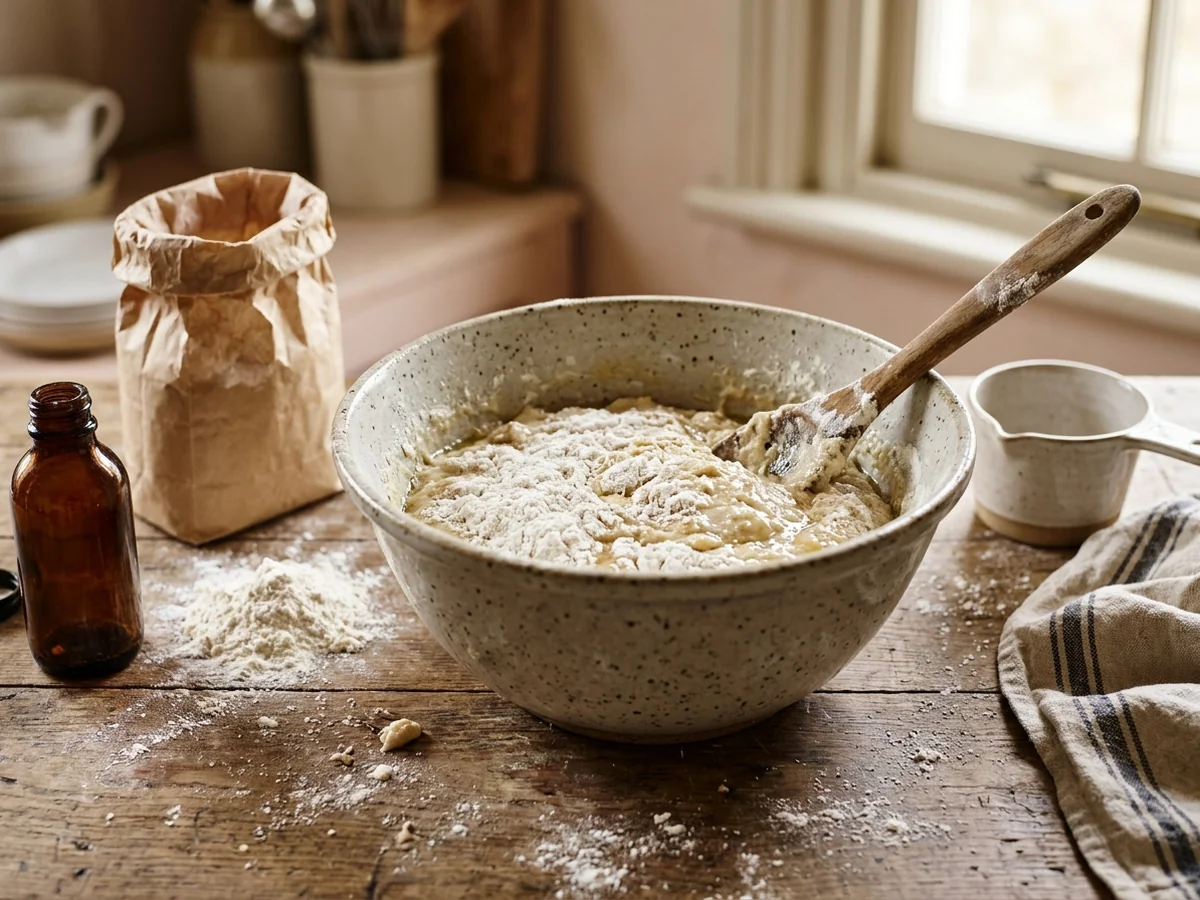
Start by combining the dry ingredients, flour, a pinch of salt, and any optional sugar or butter, with a modest amount of liquid such as water or a mild lager. Stir until the mixture resembles a shaggy ball. Transfer the dough to a lightly floured surface and knead for six to eight minutes, or until it feels smooth and elastic. This typical guidance encourages gluten development, which is essential for the pretzel’s chewy interior and its ability to hold the classic twist without cracking.
Why it matters: Proper kneading creates a network of gluten strands that trap gas produced during fermentation, giving the pretzel its lift and soft crumb. Skipping or under‑kneading often results in a dense, tough texture.
Common mistake: Adding too much flour while kneading can dry out the dough. Add flour a tablespoon at a time only if the dough sticks to your hands.
First rise and shaping pretzels
Place the kneaded dough in a lightly oiled bowl, cover with a clean towel, and let it rest until it has roughly doubled in size. This typical practice allows yeast to ferment, producing carbon dioxide that expands the dough. After the rise, punch down gently, divide the dough into equal portions (the consensus yield is about eight pretzels), and roll each piece into a 12‑inch rope. Form the classic pretzel loop by shaping the rope into a “U,” crossing the ends, and pressing them onto the bottom of the “U.”
Why it matters: Allowing the dough to rise fully ensures a light interior. Shaping while the dough is still warm makes it pliable and helps the iconic knot hold its shape during the brief boil.
Common mistake: Shaping too tightly can cause the pretzel to flatten during baking; aim for a relaxed twist with a slight gap between the crossed ends.
Boiling in baking‑soda water
Bring a large pot of water to a gentle boil and stir in a generous amount of baking soda. Submerge each pretzel for about 30 seconds per side, a typical method that creates the alkaline surface needed for the deep brown crust and glossy finish.
Why it matters: The baking‑soda solution raises the pH of the dough surface, promoting Maillard browning and giving pretzels their characteristic flavor and sheen. Skipping the boil or shortening the time often leads to a pale, soft crust that lacks the classic snap.
Common mistake: Adding the pretzels to water that is not yet boiling can cause them to absorb excess water, resulting in soggy interiors.
Egg‑yolk glaze and baking
After boiling, brush each pretzel with a mixture of egg yolk and water. This step is verified by the University of Utah’s home economics page and creates a shiny glaze that deepens the crust color.
Arrange the glazed pretzels on a parchment‑lined baking sheet and bake at 425°F for 10 minutes, as confirmed by Cornell University’s food‑nutrition service. The short, high‑heat bake yields a golden exterior with a soft, slightly crisp interior, ideal for serving with traditional German mustard or a Bavarian beer‑cheese dip.
Why it matters: The egg‑yolk glaze not only adds visual appeal but also helps the pretzel develop a thin, crisp layer that contrasts with the tender crumb.
Common mistake: Over‑baking beyond 10 minutes can dry out the pretzel, while under‑baking leaves the crust pale and less flavorful.
Storing, freezing, and reheating
Once cooled, pretzels can be frozen in airtight containers or resealable freezer bags, a common guidance for extending shelf life. To reheat, either let them thaw at room temperature or microwave for about 15 seconds covered with a damp paper towel; this typical tip restores the soft interior without making the crust rubbery.
For an authentic Oktoberfest spread, pair the warm pretzels with a sharp German mustard, a creamy beer‑cheese dip, or a simple herb‑infused sour cream. These pairings complement the pretzel’s salty crust and highlight the festive Bavarian beer theme.
Pretzel Nutritional Facts

Each soft beer‑infused pretzel supplies a moderate amount of energy, with carbohydrates as the primary source, modest protein, and a noticeable sodium contribution from the dough and glaze.
| Nährstoffwerte | Typical Amount per Pretzel |
|---|---|
| Calories | moderate |
| Carbohydrates | high |
| Protein | low‑to‑moderate |
| Sodium | noticeable |
The beer incorporated into the dough contributes a small amount of calories and carbohydrates, while adding flavor compounds that enhance the overall taste without dramatically altering the basic nutrient profile of the pretzel.
Best German Dips for Oktoberfest Soft Beer Pretzels
Classic Bavarian mustard
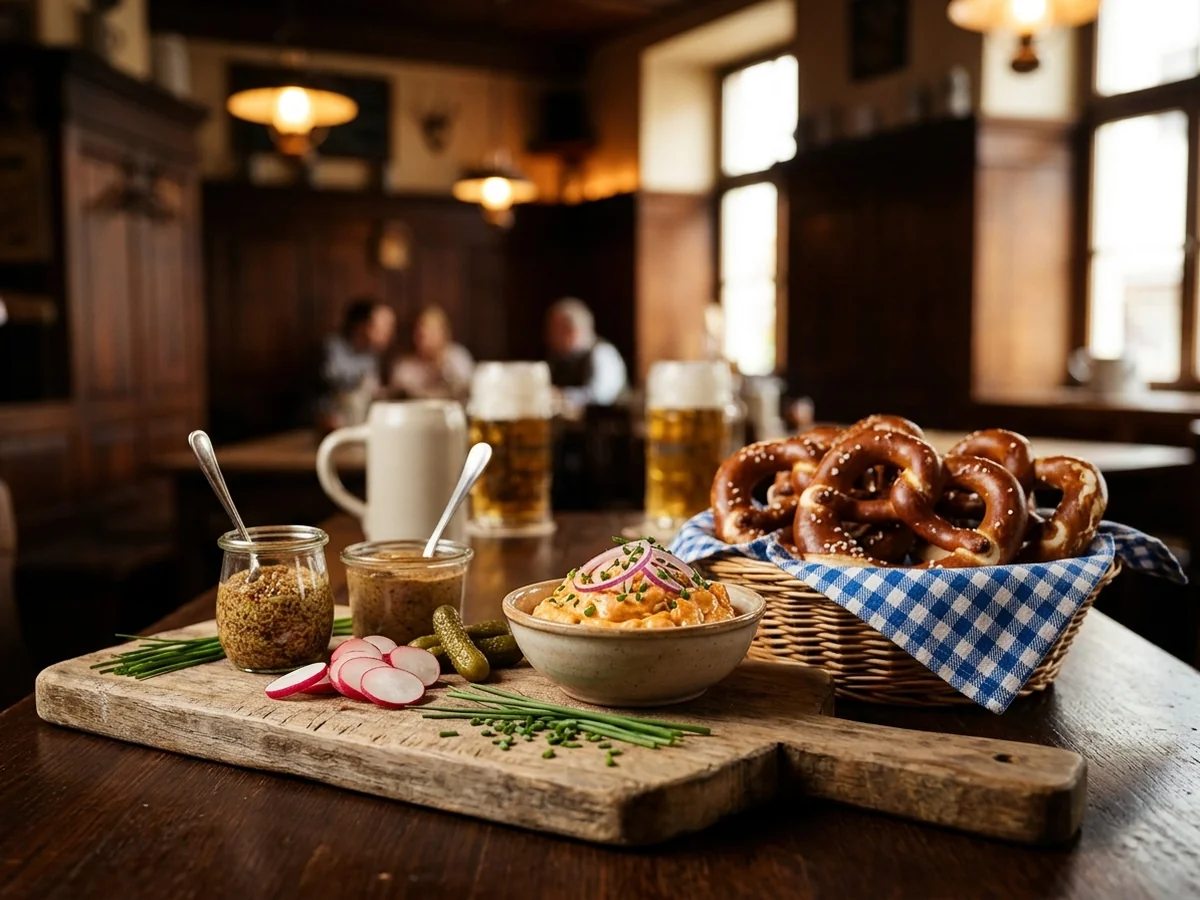
Bavarian mustard is a coarse, grainy condiment with a bright, vinegary bite. The acidity balances the salty crust of the pretzel and lifts the malt character that comes from the beer‑enriched dough. For a traditional flavor, choose a mustard made with brown mustard seeds and a touch of horseradish , the classic profile you’ll find in German delis.
Why it works: The sharpness cuts through the buttery chew of the pretzel, while the subtle sweetness in the seed‑oil base mirrors the caramel notes that develop during baking at 425°F.
Practical steps:
- Stir together equal parts coarse Bavarian mustard and a teaspoon of honey for a sweet‑spicy twist that pairs well with a light lager‑based pretzel.
- Serve the mustard straight from the jar if you prefer the authentic, unaltered taste.
- Keep the mustard refrigerated and bring it to room temperature before dipping so the flavors stay vibrant.
Common mistakes: Over‑mixing with too much honey can mute the mustard’s peppery edge. Also, letting the mustard sit in a warm kitchen for long periods dulls its snap.
Obatzda cheese spread
Obatzda is a Bavarian specialty that blends ripe Camembert (or similar soft cheese) with butter, paprika, and a splash of German lager. The result is a creamy, mildly smoky spread that mirrors the pretzel’s chew and adds a rich, dairy‑forward backdrop.
Why it works: The butter and cheese create a luscious mouthfeel that complements the pretzel’s crust, while the lager‑infused paprika adds a subtle bitterness that echoes the malt in the dough.
Practical steps:
- Soften Camembert and butter at room temperature, then mash together with a pinch of sweet paprika and a tablespoon of light German lager.
- Adjust the consistency with a splash of cream if the spread feels too thick; it should coat the pretzel without clinging.
- Refrigerate for at least 30 minutes before serving to allow the flavors to meld.
Common mistakes: Using overly aged cheese can make the spread gritty, and adding too much lager will thin the texture and diminish the creamy base.
Beer‑infused cheese sauce
This velvety sauce combines grated Emmental with a light lager, a dash of nutmeg, and a touch of cream. Heated gently, it becomes glossy and buttery, echoing the pretzel’s subtle beer flavor while adding a luxurious coating.
Why it works: Emmental melts smoothly and contributes a nutty sweetness that balances the maltiness of the pretzel. The lager reinforces the dough’s beer notes without overwhelming the palate.
Practical steps:
- Combine grated Emmental, a splash of light lager, a pinch of nutmeg, and a tablespoon of cream in a saucepan.
- Heat over low heat, stirring constantly until the cheese melts and the sauce is smooth; avoid boiling to keep the flavor gentle.
- Serve warm, drizzling over pretzels or offering in a dipping bowl.
Common mistakes: Allowing the sauce to boil can cause the cheese to separate, creating a grainy texture. Also, adding too much nutmeg can dominate the delicate beer flavor.
Putting it all together
When serving Oktoberfest soft beer pretzels, brush each pretzel with an egg yolk and water mixture before baking at 425°F for 10 minutes. This glaze gives a golden finish that holds the dip’s flavor better. After baking, let the pretzels rest a few minutes, then arrange the three dips in small bowls. Offer a selection of Bavarian beers alongside so guests can taste the full flavor circle, from dough to dip to drink.
Traditional German Pretzel Shapes

Bavarian pretzels are the classic twisted loops most people recognize, with a smooth, glossy surface that comes from an egg‑yolk glaze applied after a quick boil in baking‑soda water. Swabian pretzels, called “Laugenstangen,” are long, straight sticks that retain the same chewy interior but lack the iconic knot, making them easy to dip. Berlin pretzels, known as “Berliner Brezeln,” are flatter and often square‑shaped, featuring a denser crumb that holds up well to hearty toppings.
When translating these regional forms to a home‑baked beer‑infused version, start with the same basic dough: knead for six to eight minutes until smooth, let it rise until doubled, then shape according to the desired style. For a Bavarian twist, roll each piece into a rope, form the traditional knot, and give it a quick 30‑second dip in a baking‑soda bath before brushing with an egg‑yolk and water mixture. For Swabian sticks, simply roll the dough into uniform cylinders and follow the same boil and glaze steps. Berlin‑style squares are cut from rolled dough, pressed lightly with a fork for texture, then boiled and glazed like the others.
All three variations bake at 425°F for about ten minutes, yielding a golden crust and soft interior that pairs perfectly with robust German dips. Adjustments for regional traits are subtle: Bavarian loops benefit from a slightly higher hydration to keep the knot tender, Swabian sticks can incorporate a pinch more salt for a firmer bite, and Berlin squares often include a touch of rye flour to echo the city’s historic baking traditions. By following these shape‑specific tweaks, the same soft beer pretzel recipe can celebrate the distinct pretzel heritage of Bavaria, Swabia, and Berlin.
How to Store Pretzels

Cool the pretzels completely on a wire rack before any storage method. This prevents condensation that could make them soggy.
Place the cooled pretzels in an airtight container or a resealable freezer bag. A tight seal keeps moisture out and protects the pretzels from freezer burn, making them safe to freeze.
If you plan to freeze, arrange the pretzels in a single layer first, then seal the bag. This helps maintain their shape and texture during storage.
To reheat frozen pretzels, let them sit at room temperature until no longer icy, or microwave them for about 15 seconds while covered with a damp paper towel. The moisture from the towel steams the pretzel, restoring softness without drying it out.
Best Beer Pretzel Pairings
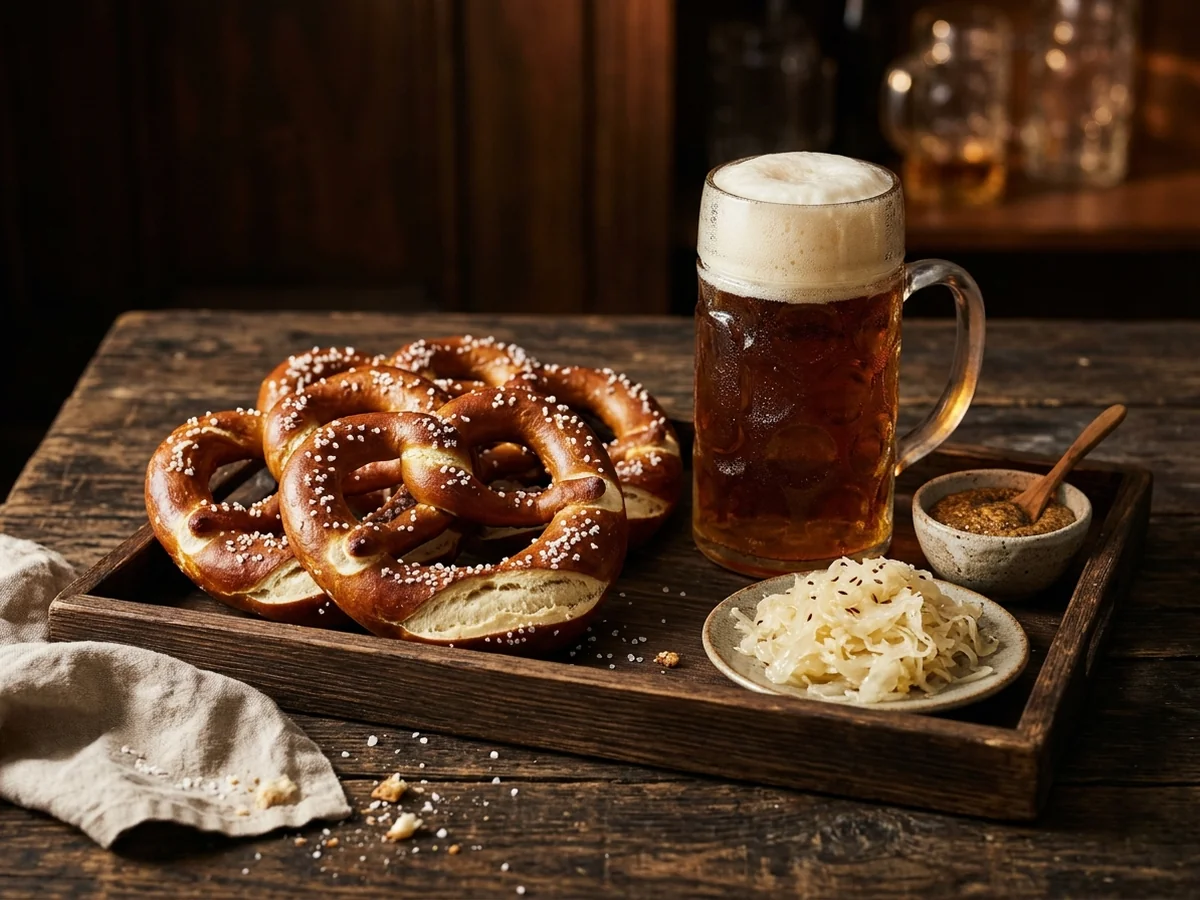
When you bake Oktoberfest soft beer pretzels, the choice of dip can turn a simple snack into a true celebration of German flavors. The pretzel’s salty crust and tender interior respond well to beverages and sauces that either cut through the salt with acidity or echo the maltiness of the dough. Below is a practical guide that explains why certain pairings work, how to prepare them, and common pitfalls to avoid.
Why the right dip matters
The dough is brushed with an egg yolk and water mixture before baking, which gives the crust a glossy, slightly sweet finish. A crisp Bavarian lager will lift that subtle sweetness with carbonation, while a richer amber beer adds depth that matches a cheese‑based spread. Selecting a dip that balances salt, acidity, and sweetness ensures every bite feels harmonious rather than overwhelming.
Practical pairing steps
- Choose the beer style first. A classic Bavarian lager, a maltier amber, or a light wheat brew each creates a different flavor foundation. Keep the beer chilled and serve it alongside the pretzels for the best contrast.
- Match the dip to the beer’s profile.
- **Lager + sharp mustard** , The mustard’s vinegar bite is lifted by the lager’s fizz, preventing the dip from tasting flat.
- **Amber + aged Gouda cheese spread** , The malt notes in the amber echo the nutty, caramel flavors of aged Gouda, creating a seamless mouthfeel.
- **Wheat‑style beer + herb‑infused quark** , Quark’s mild tang pairs with the wheat’s light body, allowing the herbs to shine without being masked.
- **Dark bock + caramelized onion relish** , The bock’s deep caramel tones mirror the sweetness of the onions, reinforcing the pretzel’s salty crust.
- Adjust acidity when needed. A splash of lemon juice added to any dip reduces perceived saltiness and brightens the overall taste. Stir the juice in just before serving to preserve freshness.
- Serve warm. After boiling the pretzels in a water‑baking soda mixture for about 30 seconds per side, bake them at 425°F for 10 minutes. Warm pretzels keep the dip’s texture smooth and encourage the flavors to meld.
Common mistakes and how to fix them
- Over‑seasoning the dip. Adding too much salt can compete with the pretzel’s crust. Start with a modest amount and taste before adjusting.
- Using a dip that is too thick. A very dense cheese spread may not coat the pretzel evenly. Thin it with a little milk or plain yogurt to achieve a dip‑ready consistency.
- Serving the dip cold. Cold sauces can harden on the warm pretzel, creating an unpleasant texture. Let the dip sit at room temperature for 10, 15 minutes before plating.
- Neglecting the egg yolk glaze. Skipping the glaze results in a dull crust that absorbs dip too quickly. Brush the pretzels with the verified egg yolk mixture before baking to maintain a slight barrier.
Quick dip recipes for Oktoberfest pretzel ideas
Sharp Bavarian mustard: combine equal parts Dijon and whole‑grain mustard, add a pinch of sugar, and stir in a teaspoon of apple cider vinegar.
Aged Gouda spread: grate ½ cup aged Gouda, mix with 2 tbsp softened cream cheese, and season with a dash of smoked paprika.
Herb‑infused quark: blend 1 cup quark with chopped chives, parsley, and a drizzle of olive oil; season with black pepper.
Caramelized onion relish: slowly sauté sliced onions in butter until deep brown, deglaze with a splash of dark bock, and finish with a teaspoon of brown sugar.
By aligning the beer style, dip flavor, and serving temperature, you can create a cohesive Oktoberfest soft beer pretzel experience that feels both authentic and approachable for home cooks.
FAQ
How long does it take to prepare and bake Oktoberfest soft beer pretzels?
Kneading the dough for six to eight minutes until smooth and elastic is common practice, followed by a rise until it doubles in size. After boiling briefly in a baking‑soda water bath, the pretzels are brushed with an egg‑yolk and water mixture and baked at 425°F for 10 minutes.
Can I use a non‑alcoholic beer in the pretzel dough?
Yes, a non‑alcoholic beer can replace a regular brew without affecting the dough’s texture; the carbonation still helps create the characteristic soft crumb. The flavor profile remains similar, making it a suitable alternative.
What are the best German dips for Oktoberfest pretzels?
Traditional pairings include a warm Bavarian mustard and a creamy cheese sauce made with Emmental. A sweet mustard‑honey dip also works well, offering a balance of salty, tangy, and sweet flavors.
How long will frozen pretzels stay good?
When placed in airtight containers or resealable freezer bags, frozen pretzels maintain quality for up to three months. After that period, the texture may begin to decline.
What is the ideal storage method after baking?
Cool the pretzels completely, then store them in a paper bag or a loosely covered container to keep the crust crisp while the interior stays soft. Adding a single layer of parchment paper helps prevent sticking.
Conclusion: Serve Up Authentic Oktoberfest Soft Beer Pretzels
After kneading the dough until smooth, letting it rise, shaping, a quick soda‑water boil, brushing with an egg‑yolk glaze, and baking at 425°F for 10 minutes, you’ll have golden, chewy pretzels ready for the table. Pair them with a classic Bavarian cheese‑onion dip or a mustard‑herb sauce for the best German dip experience, and you’ve covered the essential flavor pairings for an Oktoberfest celebration. Keep a few warm pretzels on hand for spontaneous gatherings, and feel free to freeze any leftovers for later enjoyment. With these steps and dip ideas, your home‑cooked pretzels will bring the festivity of Oktoberfest straight to your kitchen.
Sources: home.chpc.utah.edu, warren.cce.cornell.edu
You might also like: Lemon Detox Water Recipe