
Crispy Golden Potato Pancakes
Introduction to Achieving the Ultimate Golden Crust
Making delicious crispy potato pancakes is the ultimate way to bring homemade comfort food into your kitchen. You can easily whip up easy crispy potato pancakes from scratch using simple pantry staples that are probably already in your cupboards.
Mastering this dish requires balancing a crunchy exterior with a tender interior. You will learn how to achieve that perfect contrast while building a golden crust that satisfies every craving.
Choosing the Right Potatoes and Equipment

Making truly crispy potato pancakes starts long before the pan hits the heat. Selecting the right potato variety sets the structural foundation for your dish. Russet potatoes contain high starch and low moisture, which yields a light and fluffy interior alongside a deeply browned crust. Yukon Golds offer a more buttery flavor and a slightly waxy texture, resulting in a denser and creamier bite.
Shredding equipment plays a major role in achieving the desired texture for easy crispy potato pancakes. A traditional box grater produces long, uneven strands with rough edges that hold onto your ingredients and fry into wonderfully jagged crusts. While a food processor speeds up prep work using its grating disc, it can sometimes yield shorter or less uniform pieces that alter how the vegetable binds together in hot oil.
One of the most critical practical steps involves moisture control. Squeezing out excess water from shredded potatoes using cheesecloth or a kitchen towel is necessary for texture. Skipping this step leaves trapped water that creates steam in the hot pan, preventing the Maillard reaction and turning your snacks soggy instead of crunchy.
Home cooks often run into common mistakes during the prep phase. Failing to remove enough moisture is the primary culprit behind pancakes that fall apart or fail to brown properly. Another frequent error is mixing the batter too far in advance without adding a protective element. Incorporating lemon juice into potato pancake batter serves as a useful trick to prevent the grated vegetables from oxidizing and turning gray while you finish prep work.
The Science of Moisture Control and Texture

Squeezing out excess water from shredded potatoes using cheesecloth or a kitchen towel is necessary to achieve the proper texture for crispy potato pancakes. When you remove moisture before frying, you prevent the potatoes from steaming in the pan.
Moisture control is essential because water boils at a lower temperature than the fat used for frying. If your potato mixture contains too much liquid, the heat of the oil is immediately consumed by evaporating that water. This keeps the temperature of the potato surface low, which prevents the Maillard reaction from occurring. The Maillard reaction is a chemical process between amino acids and reducing sugars that gives browned food its distinct flavor and crispy exterior. By extracting the liquid, you ensure the oil can quickly sear the starch and sugars, resulting in a golden, crunchy crust rather than a soggy, steamed interior.
Using cheesecloth is an efficient way to extract this liquid from the starchy mass. Its porous, woven structure allows you to bundle the shredded potatoes tightly and apply significant pressure without losing the potato solids. A clean, lint-free kitchen towel also works well if you do not have cheesecloth on hand. To perform this step effectively, follow these guidelines:
- Place your shredded potatoes in the center of a double layer of cheesecloth.
- Gather the corners of the cloth to form a secure pouch.
- Twist the top of the cloth firmly over a bowl or sink, applying consistent pressure to wring out as much liquid as possible.
- Continue squeezing until no more moisture runs from the bundle.
Removing this excess water is the most important preparatory step. It allows the binder in your recipe to hold the mixture together effectively, ensuring your pancakes maintain their shape and develop that signature crunch during the frying process.
Essential Ingredients for Flavor and Binding
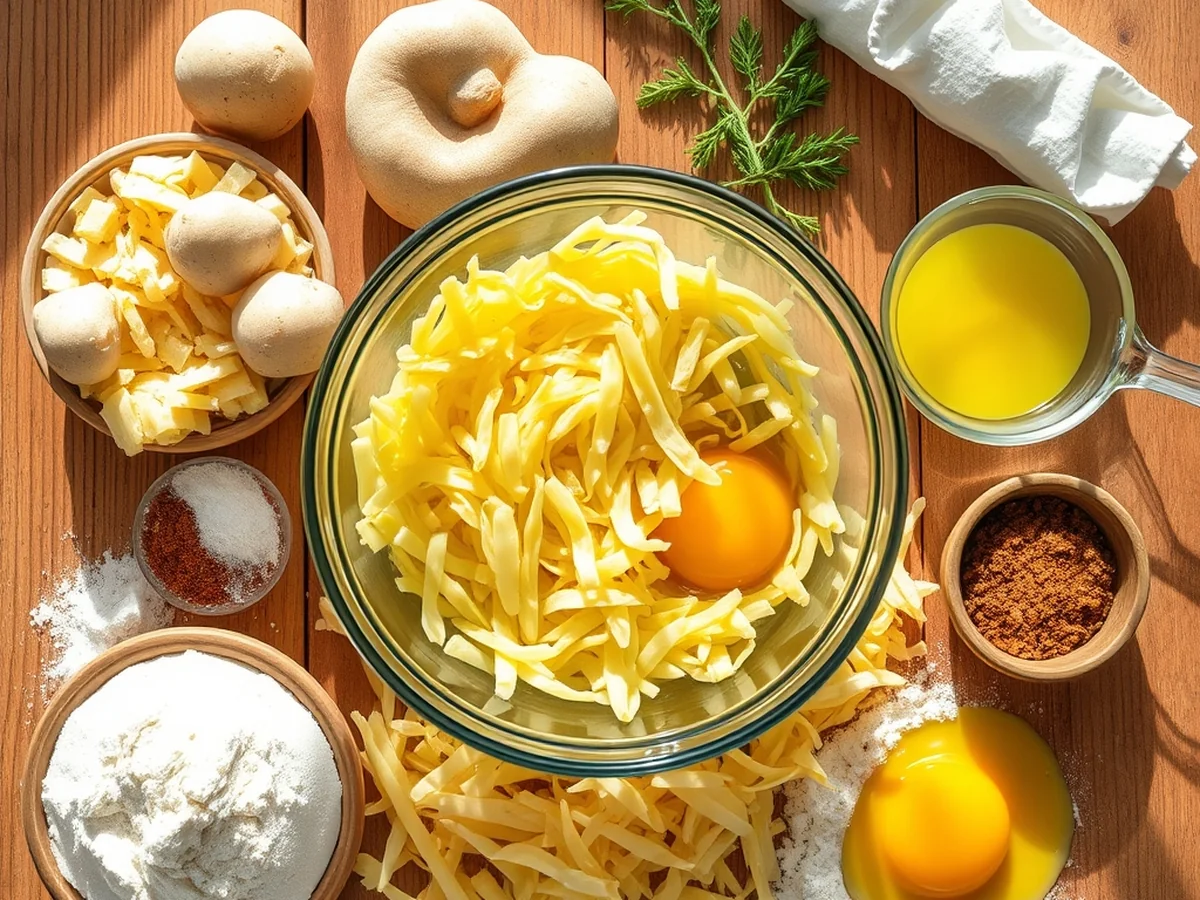
Creating exceptionally crispy potato pancakes requires more than just shredding a few tubers and throwing them into a hot pan. Every component in the mixing bowl plays a specific structural and chemical role. Selecting the right elements ensures the patties hold together during the frying process while developing that deeply browned outer crust every home cook wants.
Mastering this dish means understanding why certain pantry staples are included and how to avoid common mistakes that lead to soggy results. Moisture is the primary enemy of crispiness, which is why proper preparation starts long before the batter touches the skillet. Squeezing out excess water from shredded potatoes using cheesecloth or a kitchen towel is strictly necessary for achieving the right texture.
When preparing easy crispy potato pancakes from scratch, a thoughtful balance of starches, binders, and traditional seasonings makes all the difference:
- All-purpose flour or starches: All-purpose flour acts as a reliable binder that absorbs residual surface moisture and holds the patties together. Additionally, cornstarch functions as a powerful crisping agent that promotes a shatteringly crunchy outer crust.
- Leavening agents: Baking powder is commonly used as a leavening agent in these recipes to give the interior a slightly lighter and more tender bite instead of a dense, heavy center.
- Acidifiers: Lemon juice can be included directly in the potato pancake batter, verified as a helpful technique to prevent unwanted oxidation and discoloration while the mixture rests.
- Traditional seasonings: Ground nutmeg is a traditional seasoning option for potato pancakes, as noted in authentic culinary guidelines, imparting a subtle warmth and added flavor depth to the savory profile.
A common mistake when making potato pancakes is failing to extract enough liquid from the vegetables, which dilutes the flour and prevents the edges from frying properly. Skipping the resting period can also lead to uneven browning. By combining the right starches, utilizing moisture control, and incorporating traditional spices, home cooks can consistently produce golden, comforting results right from their own kitchen.
Mastering the Pan Frying Technique
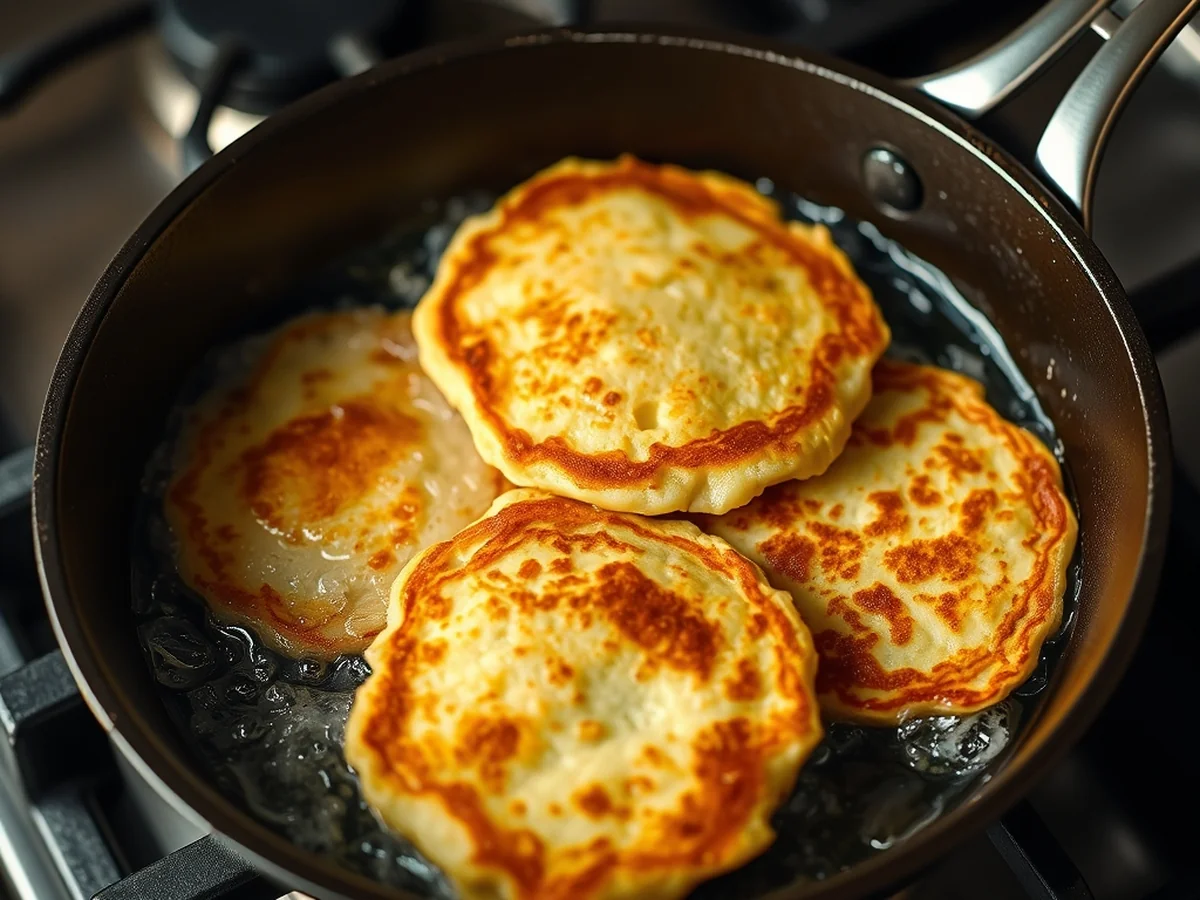
Pan-frying your potato patties usually requires 7 to 10 minutes of total cooking time to achieve a deeply browned exterior and a tender interior. Getting that ideal texture depends heavily on your equipment setup, oil selection, and how you manage the heat throughout the cooking process.
You should consider using a heavy cast iron skillet to maintain steady thermal energy during cooking. A sturdy pan holds heat efficiently, preventing sudden temperature drops when you add the cold batter to the hot oil. Maintaining a stable temperature is the secret to crispy potato pancakes because it prevents the patties from absorbing excess grease, which leads to a soggy result.
When selecting your fat, examine the smoke point of oils suitable for shallow frying to avoid burnt flavors and acrid smoke. Choosing an oil with a high smoke point, such as canola or grapeseed oil, ensures you can maintain high heat without the fat breaking down and turning bitter. A common mistake home cooks make is overcrowding the skillet, which cools down the oil rapidly and traps steam instead of frying the crust. Cook your golden homemade potato patties in small batches, leaving enough space between each patty to ensure the edges brown properly.
To master crispy potato pancakes from scratch, proper moisture management before the frying stage is equally critical. According to culinary techniques outlined by the Institute of Culinary Education, squeezing out excess water from shredded potatoes using cheesecloth or a kitchen towel is necessary for texture. Excess liquid prevents proper browning and keeps the interior from cooking evenly.
Troubleshooting Common Mistakes
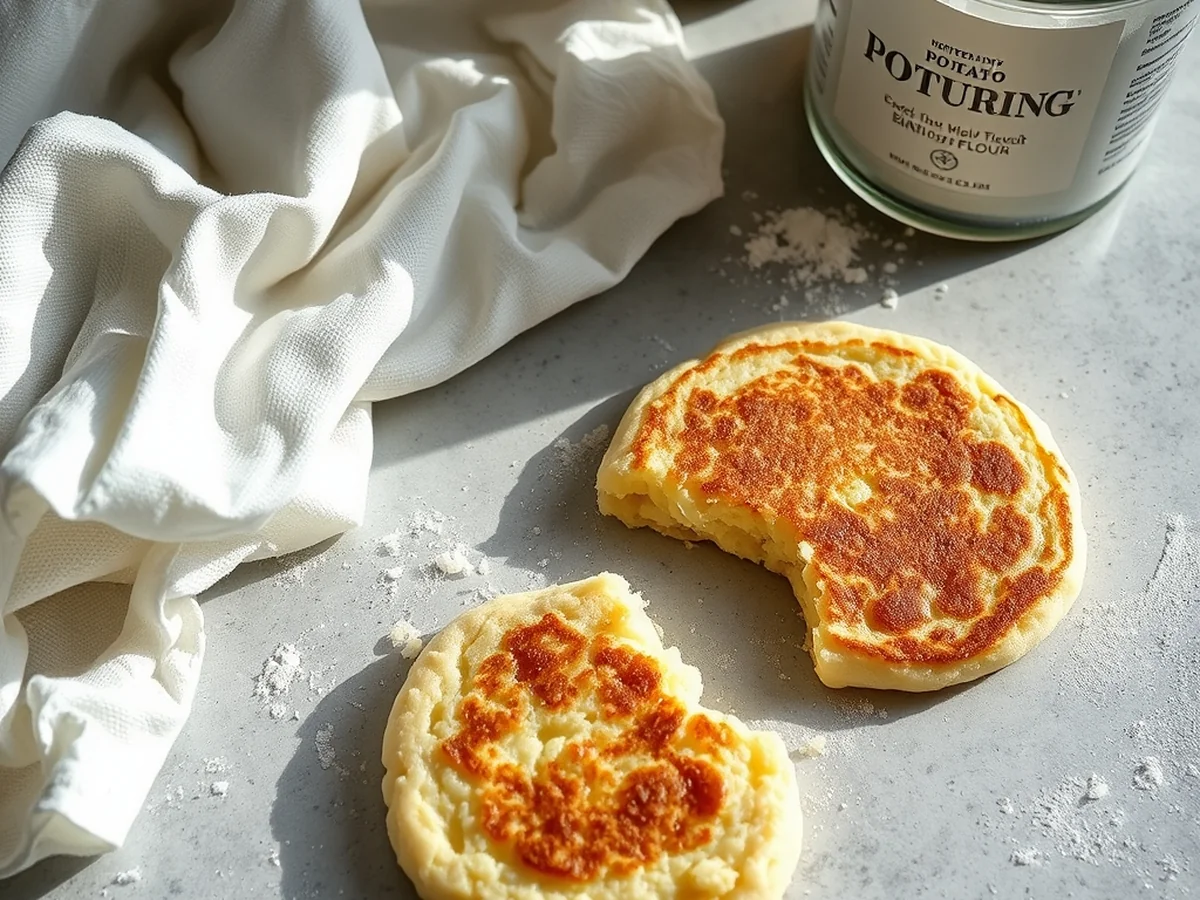
Fixing broken patties starts with proper moisture control and smart binding agents. According to the Institute of Culinary Education, squeezing out excess water from shredded potatoes using cheesecloth or a kitchen towel is necessary for texture because trapped liquid prevents browning and causes the mixture to fall apart in the skillet. If the batter still feels too wet after straining, home cooks often fold in an extra spoonful of flour or a beaten egg to hold everything together. Baking powder is also commonly used as a leavening agent in these recipes to lighten the interior while maintaining structural integrity.
Achieving a truly golden exterior requires careful heat management throughout the cooking process. When the oil temperature is too low, the batter absorbs excess fat instead of frying properly, leading to a heavy and greasy result. Letting your skillet heat up thoroughly before adding the mixture makes all the difference, and adjusting the burner if the edges brown too quickly prevents burning before the center cooks through. Pan-frying potato patties usually requires seven to ten minutes of total cooking time to develop that desired crunch.
Balancing flavor and structure takes a few mindful adjustments while you work at the counter. Ground nutmeg is a traditional seasoning option for potato pancakes, adding a subtle warmth that complements the earthiness of the vegetable. Stirring in a splash of lemon juice is another helpful technique that brightens the flavor profile while actively keeping the grated potatoes from turning gray through oxidation. Once you finish cooking, common culinary guidance suggests that leftover potato pancakes can be stored safely in the refrigerator for four to five days. When you are ready to enjoy them again, reheating potato pancakes in an air fryer at 375 degrees Fahrenheit for five minutes is an effective method for restoring their original texture.
Serving Suggestions and Traditional Accompaniments
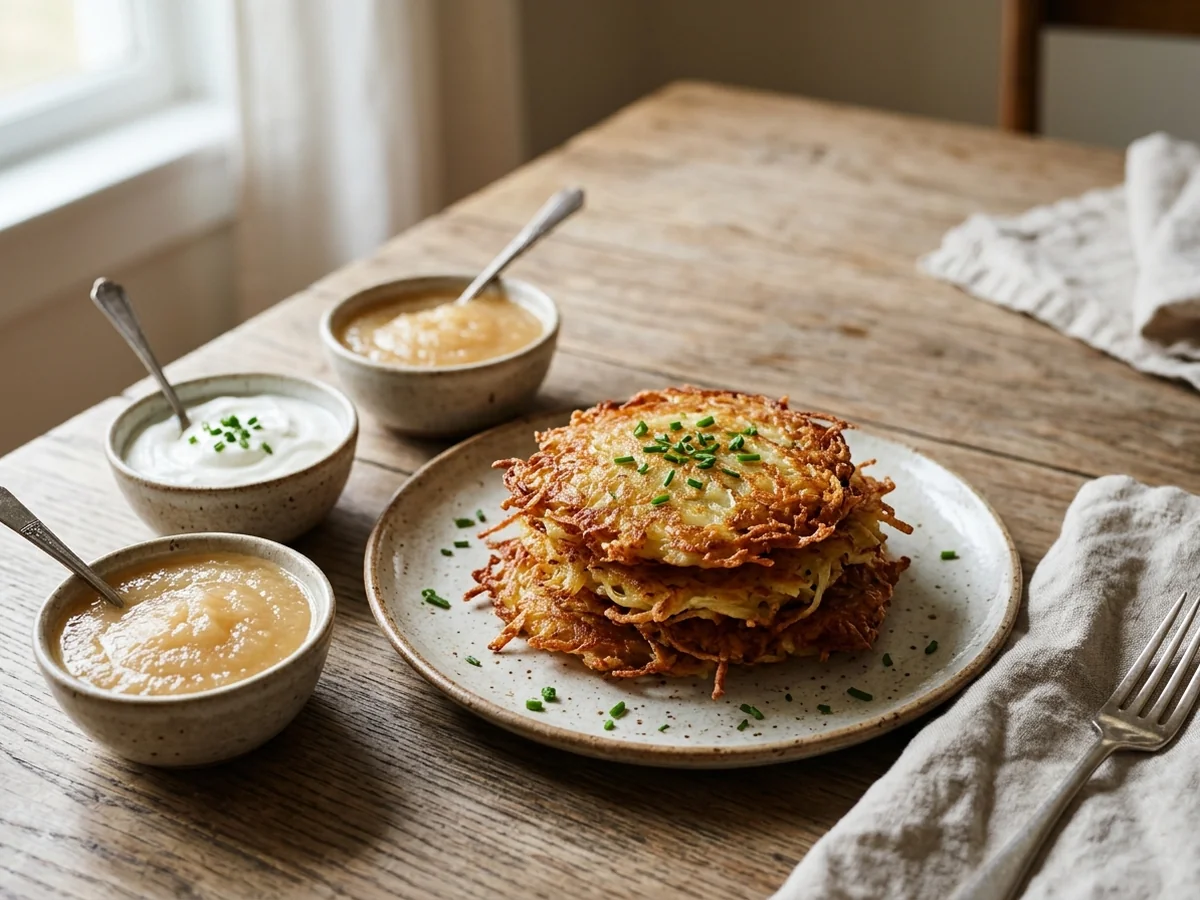
Pairing freshly cooked golden potato fritters with classic cooling elements provides a much-needed flavor contrast. Traditional toppings like sour cream and applesauce cut directly through the rich, deep-fried exterior of the hot food. Clean, acidic condiments refresh the palate between bites, perfectly balancing out the heavy oils from the pan.
Incorporating fresh herbs or green onions offers a striking visual contrast alongside bright flavor notes. Chopped chives add a mild bite that lifts the earthy flavor of the potatoes. You can mix these greens directly into the batter or sprinkle them generously across the plate right before serving.
Structuring the plate with the right accompaniments turns simple golden fritters into a complete meal. The interplay between piping hot textures and cool condiments creates a balanced dining experience. Keep your toppings chilled in the refrigerator until the last possible moment so the temperature contrast shines with every single bite.
When planning your meal, consider common mistakes to avoid regarding temperature and timing. Serving cold or soggy batches ruins the hard work put into achieving that golden crust. Always transfer your freshly fried portions directly to a wire rack instead of a paper towel-lined plate, which traps steam underneath and softens the bottom. Keeping the finished batches warm in a low oven on a wire rack ensures maximum texture retention until everyone sits down to eat. Pair these comfort food favorites immediately with your chilled condiments for the ultimate contrast in temperature and taste.
Storage and Reheating for Maximum Crunch

Leftover fried potato patties can typically be stored in the refrigerator for 4 to 5 days when kept in an airtight container. Following standard kitchen practices for food storage keeps them fresh until you are ready to revive their initial texture. Letting them cool completely on a wire rack before sealing prevents trapped condensation from making the crust soft before they even reach the refrigerator.
When you are ready to eat, reheating potato patties in an air fryer at 375 degrees Fahrenheit for 5 minutes is a common and effective method that restores the exterior crunch. The circulating heat rapidly drives away trapped moisture, reviving the golden crust without drying out the soft interior. If you do not have an air fryer, reheating them in a hot skillet for a few minutes on each side works well to bring back the crispiness.
A common mistake to avoid is using the microwave for reheating if you want to preserve the exterior crust. Microwaves trap steam, which softens the surface and leaves the previously crunchy edges soggy and limp. Proper storage combined with dry heat methods ensures your homemade comfort food tastes just as good the second time around.
Mastering the Crunch and Avoiding Pitfalls
Achieving golden potato pancakes relies entirely on removing excess moisture and maintaining the correct oil temperature during frying. Squeezing out excess water from shredded potatoes using cheesecloth or a kitchen towel is necessary for texture. Any lingering liquid creates steam in the hot pan, which causes the edges to soften instead of developing a crust. Ensuring the oil is hot before the batter goes in guarantees that the exterior fries rapidly while sealing out grease.
The secret technique for maximum crunch involves combining thorough moisture extraction with the right starch additions, while lemon juice can be included in potato pancake batter to prevent discoloration. Ground nutmeg is a traditional seasoning option for potato pancakes that adds depth of flavor without overpowering the starch.
Avoiding common mistakes ensures the batch holds together and browns evenly. Do not overcrowd the skillet, because lowering the oil temperature too quickly results in soggy patties. Keep the heat steady, and let the first side brown completely before attempting a flip.
Frequently Asked Questions
How do I make my potato pancakes crispy?
Removing all excess moisture from the shredded potatoes using a cheesecloth or a kitchen towel is the most important step for getting that signature texture. Frying them in sufficiently hot oil ensures the edges turn golden and crunchy rather than greasy.
What is the secret ingredient for crispy potatoes?
Draining every drop of liquid from the grated vegetables prevents steam from forming in the pan. Combining this drying method with a hot cooking surface yields perfectly crunchy golden patties every time.
What is the secret to crispy pancakes?
The secret to achieving this texture is patience and high heat management while using the right pan. Letting the batter brown undisturbed allows a proper crust to form.
What are some common mistakes to avoid when making potato pancakes?
Overcrowding the skillet cools down the oil and prevents proper browning. Skipping the moisture extraction step leaves too much water in the batter, which makes the patties fall apart.
How should I store leftovers?
Leftover portions can typically be stored in the refrigerator for four to five days in a sealed container. Reheating them in an air fryer at 375 degrees Fahrenheit for five minutes is an effective method to restore their original texture.
Conclusion
Mastering the art of proper potato selection, strict moisture control through cheesecloth, and precise frying transforms simple ingredients into exceptional golden fried treats. Try out these methods in your own kitchen to see how small adjustments yield dramatically better texture and flavor. Preparing homemade skillet potato cakes brings reliable comfort food straight to your table every single time.
Sources: ice.edu, cdn.jacksonms.gov