healthy pumpkin protein muffins for one budget friendly snack
Introduction
Healthy pumpkin protein muffins are a practical way to combine taste, nutrition, and cost savings in one small batch. They let home bakers and fitness enthusiasts add a protein boost to a seasonal favorite without breaking the bank.
In this guide you’ll discover how to craft high‑protein pumpkin muffins that stay low in calories, and how optional ingredients like Greek yogurt or cottage cheese can personalize the flavor and texture. By the end, you’ll know which tweaks keep the muffins budget‑friendly while delivering the protein punch you need for a satisfying snack.
Pumpkin Protein Muffin Benefits
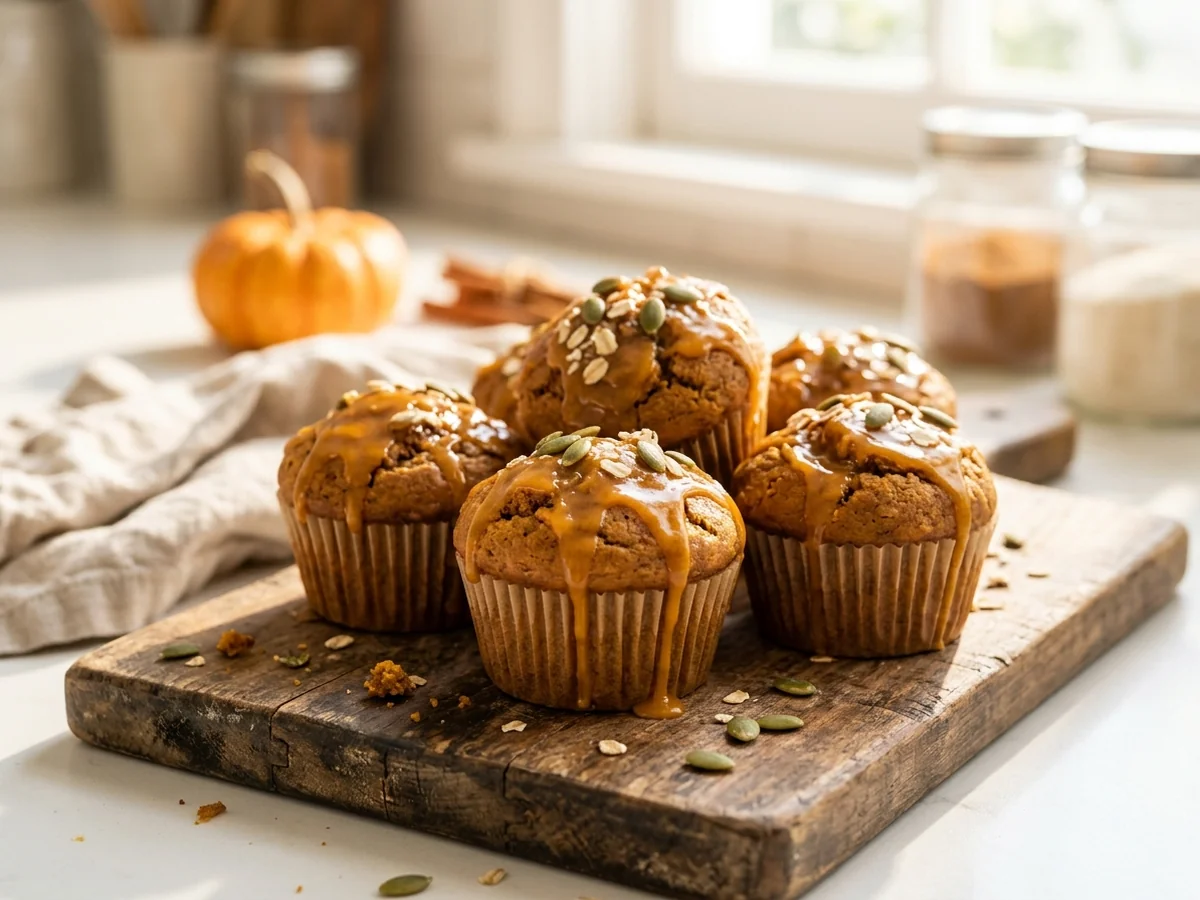
Healthy pumpkin protein muffins bring together the natural sweetness of pumpkin and a boost of high‑quality protein, making them a satisfying option for anyone who wants a snack that fuels the body without excess calories. The pumpkin puree provides a moist crumb and a gentle flavor that pairs well with protein powder, Greek yogurt, or cottage cheese, so bakers can customize the protein source to match dietary preferences.
Why pumpkin works well for nutrition, pumpkin is naturally low in fat and calories while delivering dietary fiber that helps regulate digestion and prolong satiety. The fiber slows the absorption of sugars, which can prevent spikes in blood glucose after eating. In addition, pumpkin supplies vitamins A and C; these antioxidants support immune health and skin renewal. The beta‑carotene that gives pumpkin its orange color also contributes to overall antioxidant protection.
Protein’s role in a balanced snack, adding a protein component raises the muffin’s satiety value. Protein influences hormones that signal fullness, which can curb cravings later in the day. The USDA recommends that active adults include adequate protein in each meal to preserve lean muscle, especially when they are reducing overall calorie intake. By incorporating protein powder, Greek yogurt, or cottage cheese, each muffin can deliver a meaningful portion of that daily requirement without adding unnecessary sugar.
Practical steps for a nutrient‑dense batch
- Combine dry ingredients (whole‑grain flour, baking powder, a pinch of salt, and protein powder) in one bowl.
- Whisk wet ingredients (pumpkin puree, Greek yogurt or cottage cheese, eggs, a touch of honey or maple syrup) in another bowl.
- Mix the two mixtures just until combined; over‑mixing can develop gluten and make the muffins tough.
- Fold in optional extras such as chopped nuts, cinnamon, or a sprinkle of oats for added texture.
- Portion batter into a muffin tin, bake in a pre‑heated oven until a toothpick comes out clean, and allow a brief cooling period before serving.
Common mistakes to avoid
- Using too much liquid yogurt or cottage cheese, which can make the batter runny and result in flat muffins.
- Skipping the rise agent; baking powder is essential for a light crumb.
- Adding sweeteners that outweigh the low‑calorie goal; a modest amount of natural sweetener is enough because pumpkin already provides subtle sweetness.
- Neglecting to let the batter rest for a few minutes; this allows the flour to hydrate and yields a more tender texture.
When prepared with mindful proportions, these muffins become a low‑calorie, high‑protein snack that supports muscle maintenance, digestive health, and steady energy levels. For more baking inspiration, visit the Butter Crumb Bakes blog.
Choosing the Right Protein Powder
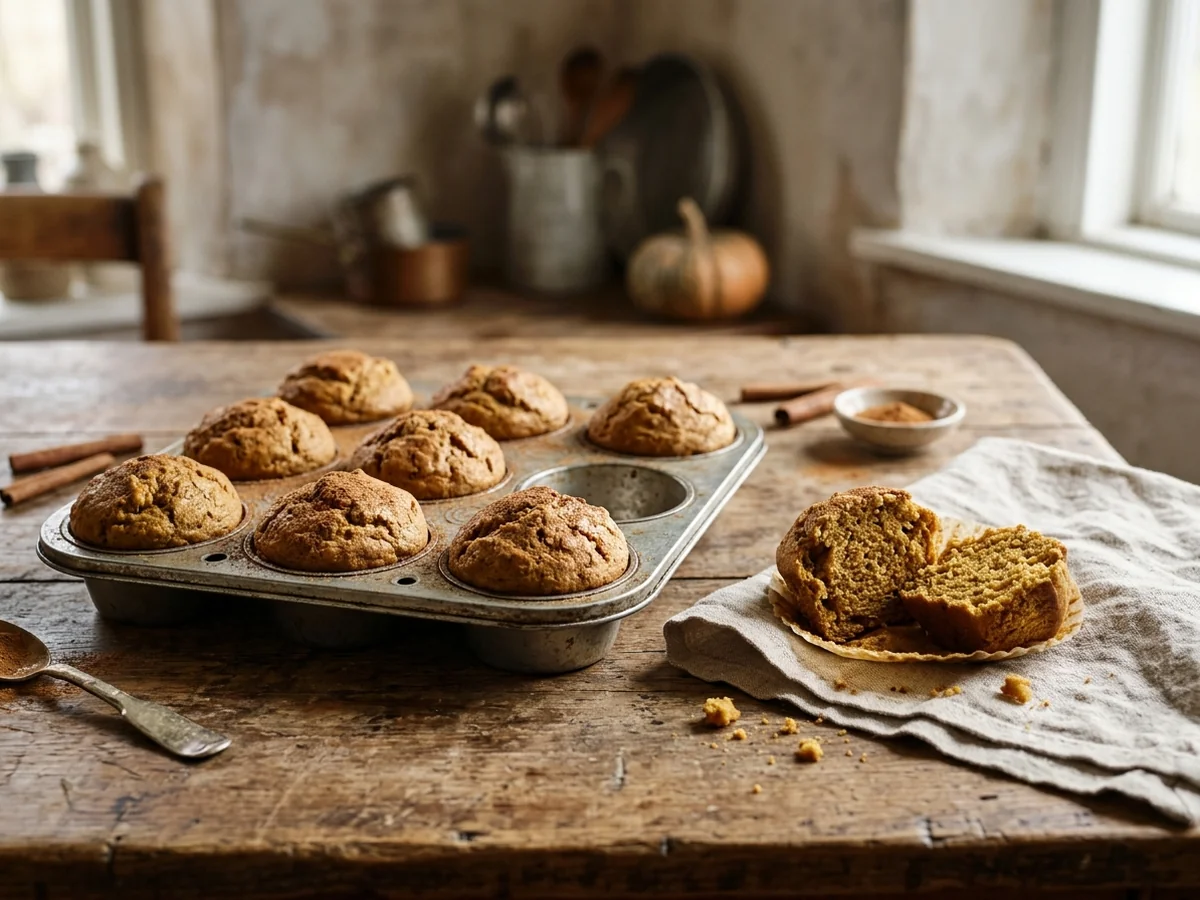
Whey vs. Plant‑Based Options
Whey protein is known for its smooth texture and high digestibility. It dissolves quickly in wet batters, giving pumpkin muffins a tender crumb. Plant‑based powders such as pea or soy offer a milder flavor profile that blends well with the natural sweetness of pumpkin. Soy tends to have a slightly bean‑like taste, while pea protein is almost neutral. Budget wise, pea protein often comes at a lower price point than whey, making it a cost‑effective choice for frequent batch baking.
Flavor and Sweetness Considerations
When combining protein powder with pumpkin, balance the sweetness to avoid clashing notes. A protein with a subtle flavor, like pea, lets the pumpkin’s earthy sweetness shine. If using whey, opt for a vanilla‑flavored or unflavored variety to keep the taste profile harmonious. Adding a pinch of cinnamon or nutmeg can round out any sharpness from the protein and enhance the overall dessert‑like quality of the muffins.
Solubility and Texture
Protein solubility affects batter consistency. Whey dissolves almost instantly, preventing clumps and ensuring a smooth batter. Pea protein, while slightly thicker, can still be incorporated smoothly if mixed well or blended with a small amount of liquid first. Soy protein may require a brief rest time to hydrate fully, which can help avoid a gritty mouthfeel in the finished product.
Budget Impact
Pea protein typically costs less per gram than whey, while soy sits in the middle range. If the goal is a high‑protein pumpkin muffin that remains affordable, pea protein offers the best balance of cost and culinary performance. Whey remains a solid choice for those who prioritize quick mixing and a classic protein taste.
Matching Protein Flavor with Pumpkin Sweetness
To prevent flavor clashes, pair a mild protein with the natural sweetness of pumpkin. If a sweeter protein is used, counterbalance it with a touch of salt or a hint of citrus zest. This strategy keeps the muffins from tasting overly sweet or artificial, ensuring a pleasant, balanced bite that satisfies both taste buds and protein goals.
Classic Pumpkin Muffin Base
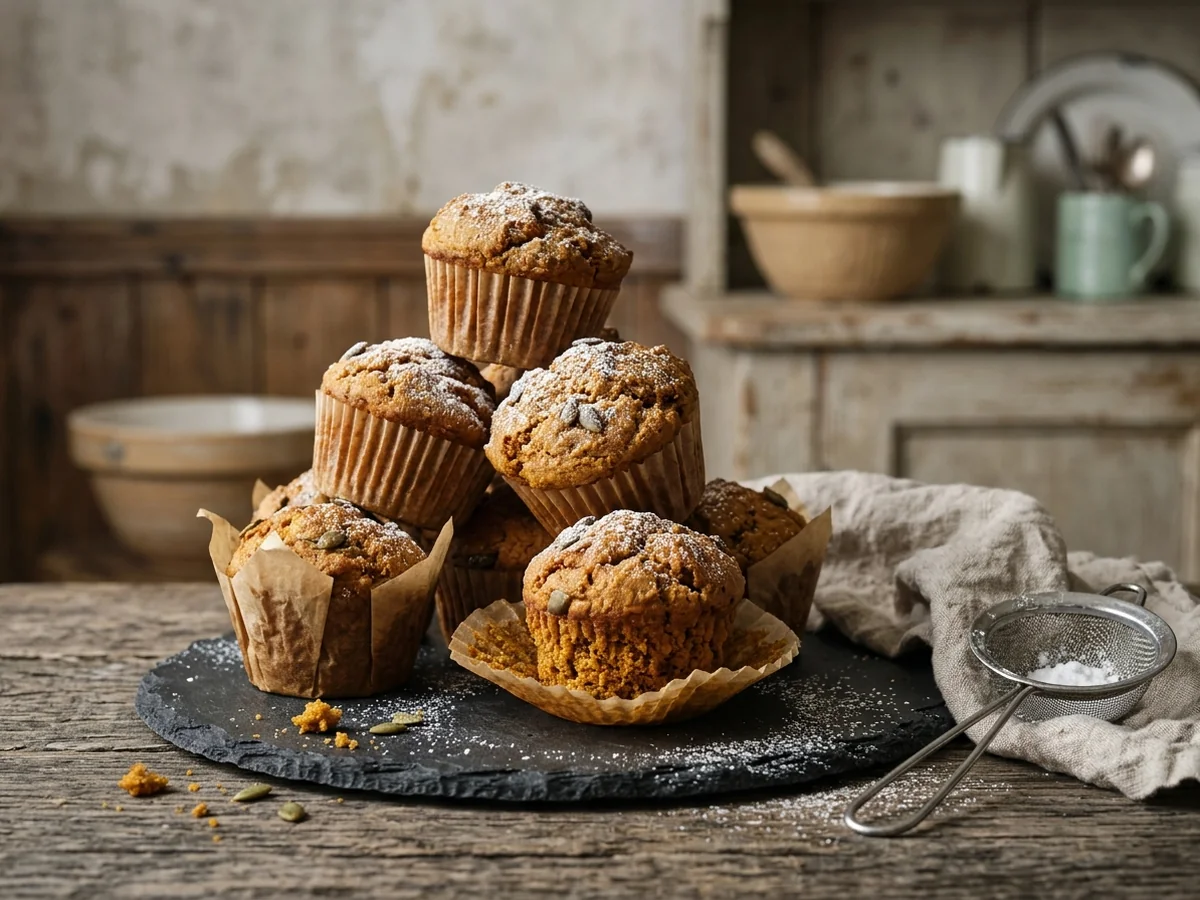
A versatile pumpkin muffin base supplies the structure and moisture needed to fold in protein powders or Greek yogurt while keeping the batter cohesive. These foundational recipes prioritize balance so the muffins stay soft and flavorful, even when protein additions are incorporated.
Classic Whole‑Wheat Base
Whole‑wheat flour delivers a hearty framework and natural fiber that supports added whey or plant‑based protein. The dense crumb remains moist because pumpkin puree replaces a portion of the oil. This base preserves a traditional muffin feel while boosting nutrition, making it a reliable choice for those who value texture and health.
Oatmeal‑Infused Base
Blending oat flour creates a denser, heartier bite that absorbs dry protein powders without drying out. Oats contribute a pleasant chew and a gentle nutty flavor. The moisture content is maintained through pumpkin puree and a splash of almond milk if the batter appears thick. This option suits bakers seeking a filling snack with a wholesome twist.
Low‑Calorie Almond Flour Base
Almond flour offers a lower‑carb alternative that keeps the crumb tender. Its natural fats balance the dry protein, reducing the need for added oils. This base is ideal for those aiming for a low‑calorie option, as the almond flour’s texture compensates for the moisture loss that can accompany high‑protein muffins.
Maintaining the right balance of wet and dry ingredients prevents the muffins from becoming dry or rubbery.
- Pumpkin puree serves as the primary moisture source and replaces some oil.
- Greek yogurt or cottage cheese adds creaminess and boosts protein content.
- Baking powder ensures proper rise despite the weight of protein additions.
- A small amount of liquid, such as almond milk, can be added if the batter is too thick.
- Using a ratio that favors wet ingredients offsets the drying effect of protein powders.
Classic Pumpkin Muffin Base
A versatile pumpkin muffin base provides the structure and moisture needed to create healthy pumpkin protein muffins. These foundational recipes allow you to swap or add protein sources without ruining the texture.
Classic Whole-Wheat Base
Whole-wheat flour offers a hearty structure and natural fiber. This base supports various protein powders, such as whey or pea protein, while maintaining a traditional muffin consistency.
Oatmeal-Infused Base
Blended oats result in a denser and more filling snack. The natural properties of oat flour help retain moisture, which is important when incorporating dry protein supplements into the mix.
Low-Calorie Almond Flour Base
Almond flour provides a lower carbohydrate alternative that keeps the crumb tender. This option is effective for making pumpkin protein muffins low calorie since it reduces the reliance on added fats.
Balancing wet and dry ingredients prevents the muffins from becoming rubbery or dry.
- Pumpkin puree serves as a main moisture agent and can replace a portion of the fat.
- Greek yogurt or cottage cheese adds a creamy texture and increases the protein profile.
- Baking powder provides the necessary lift to counteract the density of protein additions.
- A splash of unsweetened milk can adjust the batter consistency if it becomes too thick.
- Prioritizing wet ingredients helps offset the drying effect often caused by protein powders.
Incorporating Greek Yogurt for Creaminess
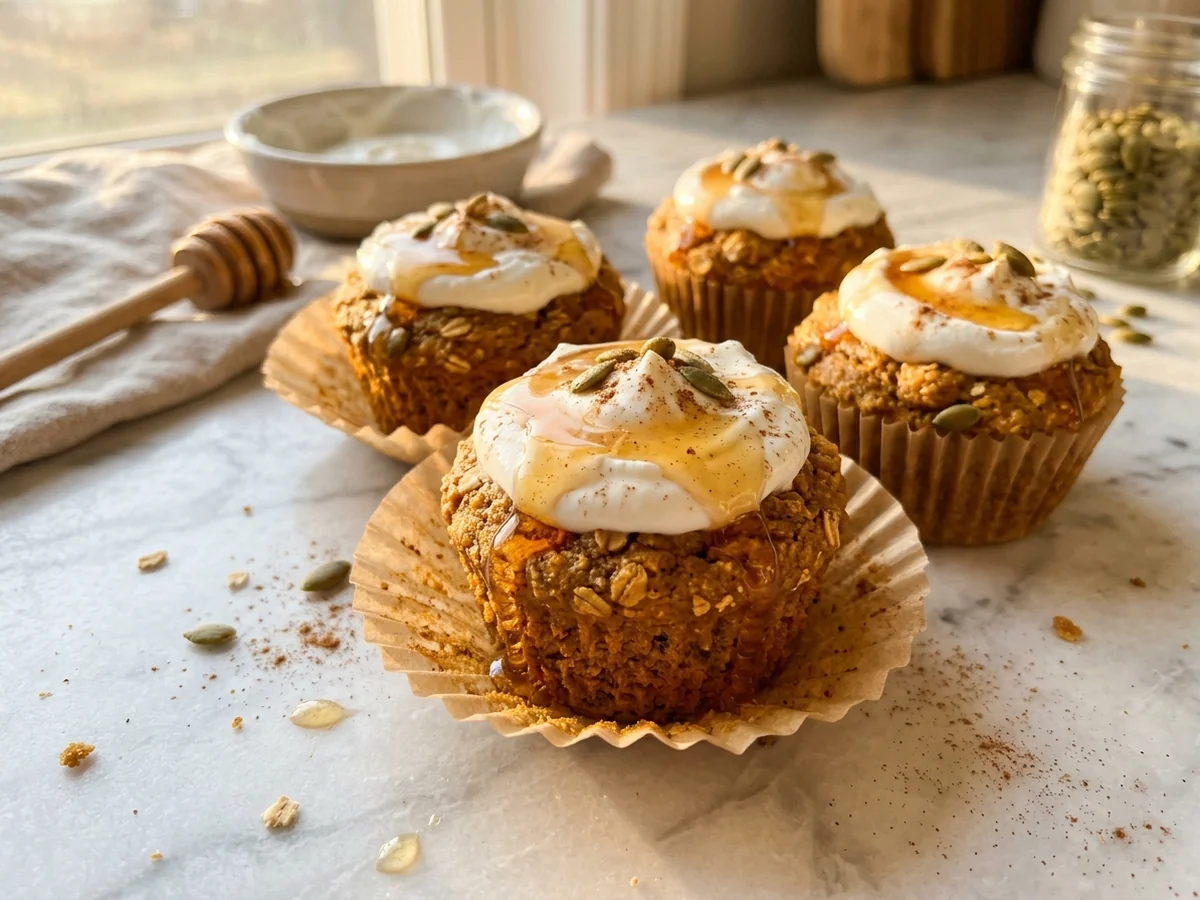
Greek yogurt is a versatile way to add protein and moisture to healthy pumpkin muffins without raising the sugar count. The cultured dairy adds a gentle tang that brightens the earthy pumpkin flavor, while its thick consistency helps the batter hold together, resulting in a tender crumb and a slightly higher protein profile.
Why Choose Greek Yogurt Over Other Dairy Options
Both Greek yogurt and cottage cheese can increase the protein content of a muffin batch, but they affect texture and taste differently. Greek yogurt provides a smooth, velvety mouthfeel and contributes a subtle sour note that balances the natural sweetness of pumpkin. Cottage cheese, even when blended, tends to leave a faint grainy texture and a milder flavor, which may be desirable for a more neutral taste but does not create the same creamy lift that yogurt offers.
Practical Steps for Adding Greek Yogurt
- Measure the substitution. Replace up to one‑quarter of the liquid called for in the recipe with plain Greek yogurt. This keeps the batter thick enough for the muffins to rise evenly.
- Combine with dry ingredients first. Whisk the yogurt with the pumpkin puree, then stir in the wet components such as eggs and oil before folding in the dry mix. This order helps the yogurt integrate without forming pockets.
- Adjust leavening if needed. Because yogurt adds slight acidity, a modest increase of baking powder (about a teaspoon per cup of yogurt) can support a consistent rise.
- Monitor batter consistency. If the batter looks too thick, add a splash of milk or water a tablespoon at a time until it reaches a spoon‑dropping consistency.
Common Mistakes and How to Avoid Them
- Using flavored yogurt. Fruit‑sweetened varieties introduce extra sugars that can alter the muffin’s balance. Stick to plain, low‑fat or full‑fat Greek yogurt depending on the desired calorie level.
- Over‑mixing the batter. Stirring too vigorously can develop gluten in the flour, leading to a dense muffin. Mix just until the wet and dry ingredients are combined.
- Neglecting to temper the yogurt. Adding cold yogurt directly to a warm batter may cause curdling. Let the yogurt sit at room temperature for 10‑15 minutes before mixing.
- Skipping the leavening tweak. Forgetting to account for the yogurt’s acidity can result in flat muffins. A small boost to the baking powder helps maintain height and fluffiness.
When Greek Yogurt Isn’t Available
If you need a dairy‑free alternative, a plant‑based yogurt with similar thickness can be used, but be sure to check the protein content and avoid varieties with added sweeteners. Adjust the leavening in the same way to compensate for any acidity differences.
Alternative Dairy‑Free Options

Silken Tofu
Silken tofu works well as a dairy‑free binder because its high water content adds moisture while its protein contributes the same nutritional boost that Greek yogurt would provide. The neutral flavor lets the pumpkin puree and spice blend remain the star of the batter, so seasoning does not need to be altered. When substituting tofu for yogurt, blend it until completely smooth to avoid pockets of texture. Because tofu is slightly thicker than liquid dairy, the batter may be a touch denser; checking the mixture a minute or two before the usual finish helps prevent over‑baking. A common mistake is using firm tofu, which does not blend as easily and can leave a gritty crumb.
Unsweetened Almond Milk
Unsweetened almond milk supplies the liquid needed for a tender crumb without introducing dairy flavor. It contains a modest amount of protein and keeps the overall calorie count low, fitting the goal of healthy pumpkin protein muffins. Replace the dairy milk one‑for‑one and stir gently; excessive beating can develop gluten and make the batter tough. Most bakers find that baking time remains unchanged, but if the batter looks very thin, a brief extra minute in the oven can ensure the center sets. A frequent error is choosing sweetened almond milk, which adds unwanted sugar and can mask the natural sweetness of the pumpkin.
Other Plant‑Based Alternatives
Oat milk and coconut‑based yogurt are also viable dairy‑free choices. Oat milk offers a creamy mouthfeel similar to cow’s milk and works well when the recipe calls for a larger liquid volume. Coconut yogurt provides a thicker texture that mimics Greek yogurt’s body; just be sure to select an unsweetened variety to keep the muffin low‑calorie. When using coconut yogurt, reduce any added oil slightly, because the coconut fat can make the crumb richer than intended. A typical pitfall is forgetting to stir the oat milk before measuring, which can lead to an inaccurate liquid ratio and affect rise.
Practical Steps for a Successful Swap
- Measure the dairy‑free ingredient using the same cup amount as the dairy version.
- Blend silken tofu or coconut yogurt until completely smooth before mixing with dry ingredients.
- Combine wet ingredients first, then fold in dry components to preserve a light texture.
- Check the batter at the lower end of the recommended baking window; a toothpick should come out clean but the top may still be slightly golden.
- Allow the muffins to cool on a rack; this helps the protein structure set and prevents sogginess.
By understanding why each substitute works and following these steps, home bakers can create dairy‑free pumpkin protein muffins that stay moist, flavorful, and high in protein without compromising texture.
Pumpkin Muffin Flavor Additions

Enhancing the autumn character of pumpkin‑based protein muffins can be as simple as adding the right spices or a handful of nuts and seeds. Below are practical options that boost taste, texture, and nutritional value.
Spice Mixes
A warm spice blend deepens the natural sweetness of pumpkin while complementing the added protein.
- Combine ground cinnamon, ground nutmeg, and ground ginger in equal parts for a classic fall profile that pairs well with Greek yogurt.
- Adding a pinch of ground cloves to the cinnamon‑nutmeg‑ginger mix introduces a subtle, resinous note that rounds out the flavor.
- For a milder heat, stir in a small amount of ground allspice, which adds complexity without overpowering the pumpkin.
- Toast the dry spices briefly in a dry skillet before folding them into the batter; this releases aromatic oils and intensifies their scent.
Nuts and Seeds
Incorporating crunchy elements not only raises the protein content but also creates a pleasing contrast to the soft crumb.
- Chopped walnuts add roughly three grams of protein per quarter‑cup and contribute a buttery crunch that balances the muffin’s moisture.
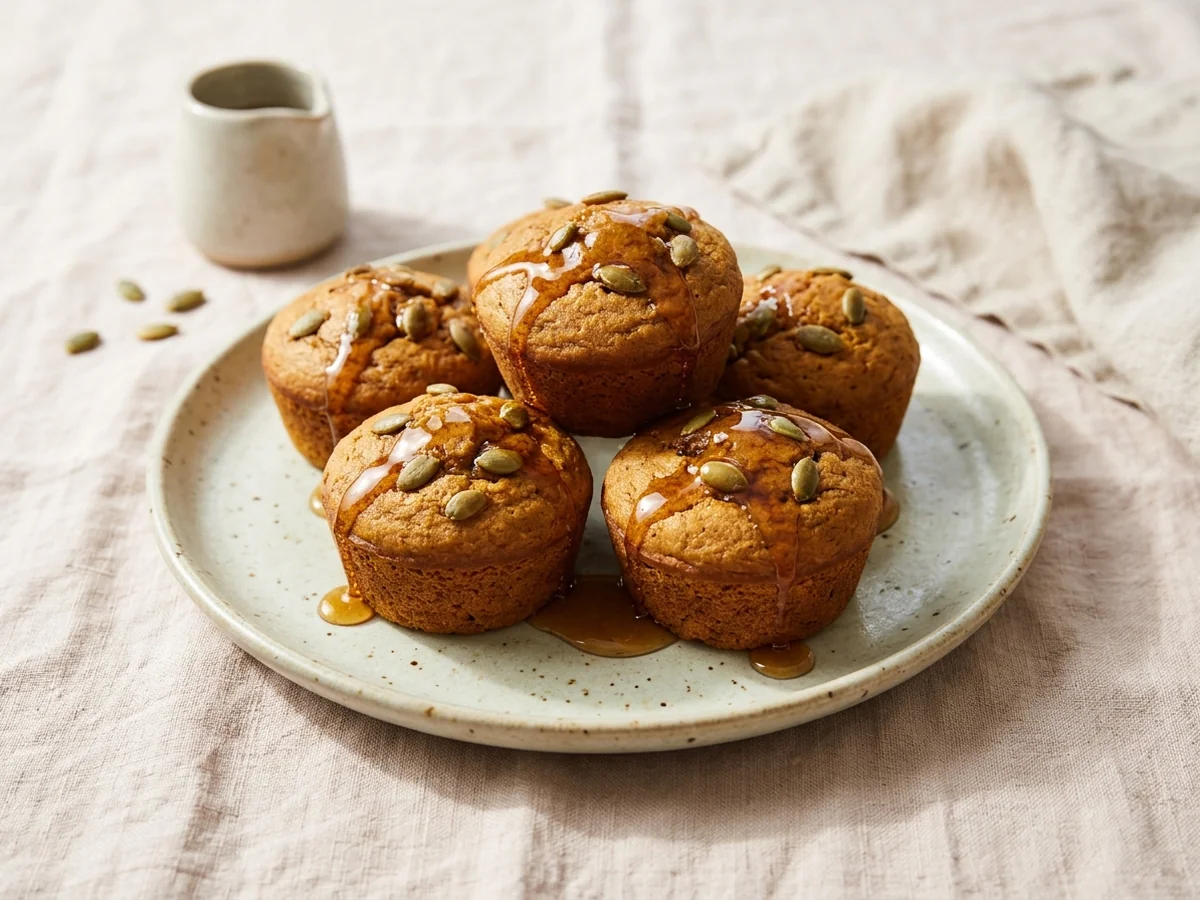
- Roasted pumpkin seeds (pepitas) bring a nutty flavor and a satisfying bite, while also supplying healthy fats and additional protein.
- If you prefer a softer texture, fold in lightly ground almonds; they blend into the batter yet still boost the protein tally.
- Mixing a combination of walnuts and pumpkin seeds ensures varied texture, with each bite offering both crispness and chew.
Baking Tips for Optimal Texture
Oven Temperature and Timing
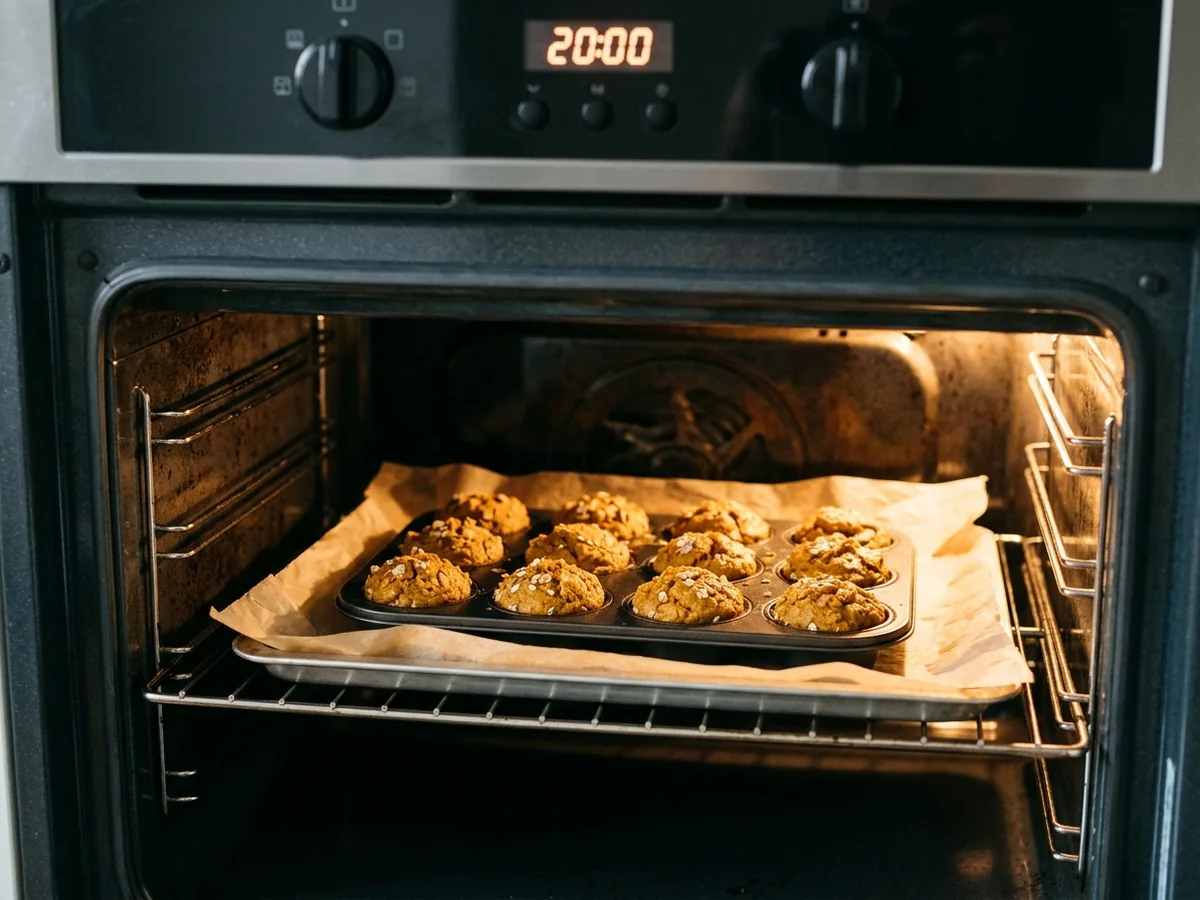
Set the oven to a moderate heat, typically between 350°F and 375°F, and bake the muffins for about 18‑22 minutes. This range allows the batter to rise gently while keeping the interior moist, preventing the edges from drying out.
Check for doneness a few minutes before the lower limit by inserting a toothpick into the center; it should come out with a few moist crumbs. If the tops brown too quickly, lower the temperature slightly and extend the bake time a minute or two.
Muffin Pan Preparation
Properly greasing or lining the pan is essential to avoid sticking and to promote even browning across each muffin.
- Lightly coat each cup with a neutral‑flavored oil or spray using a pastry brush.
- For a non‑stick surface, place a paper muffin liner in each cavity; this also helps with easy removal.
- If using a silicone pan, a brief brush of oil is sufficient because the material already resists adhesion.
After greasing, tap the pan gently on the counter to remove excess oil. This step ensures the muffins rise uniformly and release cleanly, giving the finished muffins a tidy appearance.
Storing and Reheating for Long‑Term Freshness

Proper storage keeps the crumb tender and the flavor bright, while gentle reheating restores the soft texture you expect from a freshly baked treat.
Airtight Containers
Place cooled muffins in a sealed plastic or glass container with a snug lid. This prevents air from drying them out and locks in the natural moisture from pumpkin and yogurt. If you stack them, insert a sheet of parchment between layers to avoid sticking.
Freezing and Thawing
For longer keeping, arrange the muffins in a single layer on a baking sheet, freeze until solid, then transfer to a freezer‑safe zip‑top bag. When you’re ready to eat, move the desired number to the refrigerator and let them thaw overnight. This gradual thaw helps retain moisture and avoids a rubbery crumb.
To reheat, preheat a conventional oven to 300°F (150°C). Place the muffins on a foil‑lined tray and warm for 8, 10 minutes, or until the interior feels warm to the touch. The low temperature gently revives softness without drying the edges.
- Microwave a single muffin on medium power for 20, 30 seconds; cover with a damp paper towel to trap steam.
- If you prefer a crisp top, finish with a brief 2‑minute broil after the microwave step.
Nutrition Breakdown: Calories, Protein, and Fiber
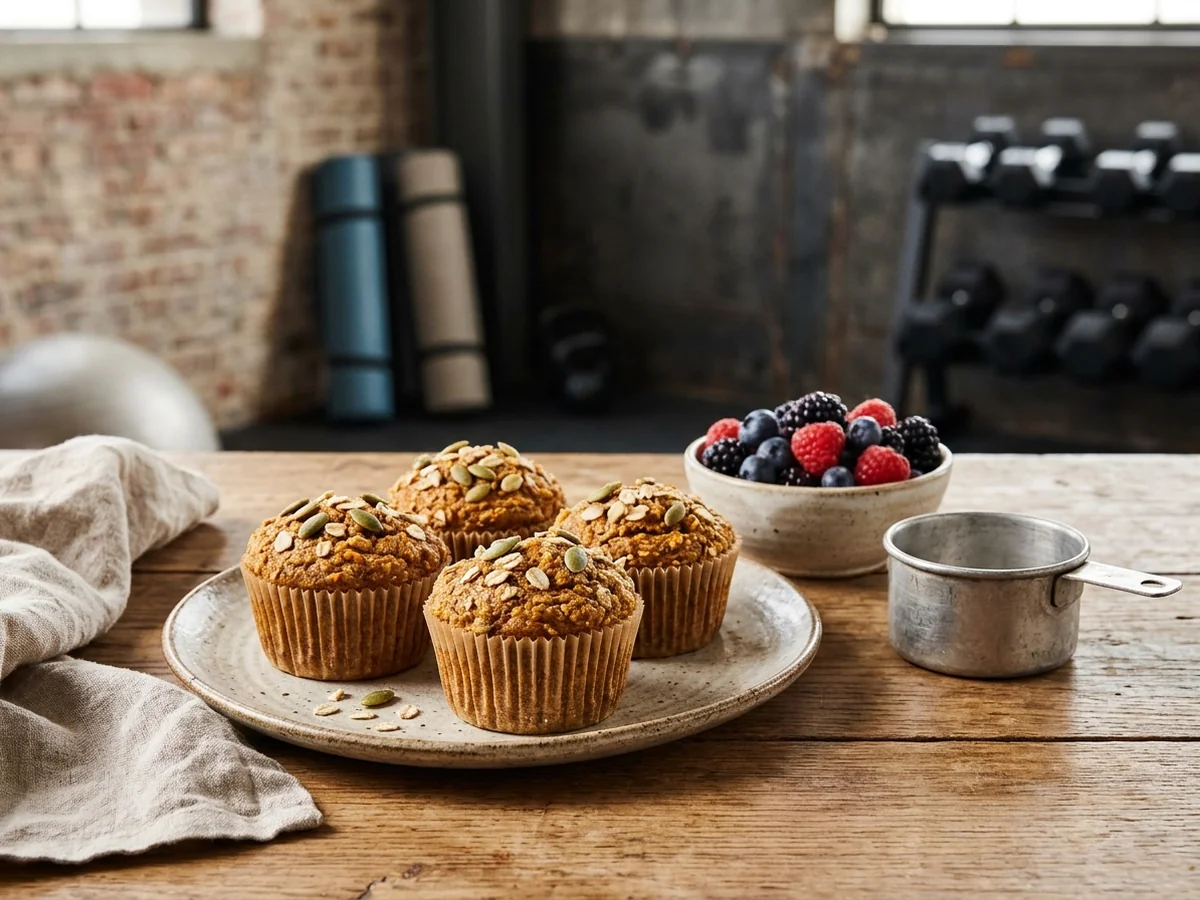
Understanding the nutrient balance of pumpkin‑based protein muffins helps you tailor the recipe to your fitness goals and dietary preferences. Calories give you a sense of energy intake, protein supports muscle repair, and fiber promotes satiety and digestive health. By tracking these three values you can decide whether a batch fits a low‑calorie snack plan, a post‑workout boost, or a fiber‑rich breakfast bite.
Step‑by‑step method for accurate tracking
- List every ingredient you plan to use, including optional add‑ins such as nuts or dried fruit.
- Consult the USDA food database or the nutrition label on each product to note the calories, protein grams, and fiber grams per standard measure (for example, per cup or per tablespoon).
- Enter the values into a simple spreadsheet or a nutrition‑tracking app. Multiply each value by the amount you will actually use in the recipe.
- Sum the totals for calories, protein, and fiber. Then divide each total by the number of muffins the batter yields to get per‑serving numbers.
- Record the results in a table like the one below so you can compare variations easily.
| Ingredient | Calories (per typical measure) | Protein (per typical measure) | Fiber (per typical measure) |
|---|---|---|---|
| Pumpkin puree | Low calorie | Minimal protein | Good source of fiber |
| Protein powder | Varies by brand | High protein | Usually low fiber |
| Greek yogurt | Moderate calorie | Rich protein | Small amount of fiber |
| Cottage cheese | Moderate calorie | High protein | Negligible fiber |
| Whole‑wheat flour | Higher calorie | Moderate protein | Provides fiber |
Why ingredient choices matter
Pumpkin puree contributes bulk and natural sweetness while adding fiber without many calories. Protein powder is the primary source of the high‑protein claim, but its carbohydrate and fiber content can differ widely between brands. Greek yogurt and cottage cheese boost protein and moisture; they also add a modest amount of calcium. Whole‑wheat flour supplies additional fiber compared with refined flour, supporting a steadier release of energy.
Common mistakes and how to avoid them
- Skipping the measurement step. Estimating portions leads to inaccurate calorie counts and can throw off the texture of the muffins.
- Over‑loading protein powder. Too much powder can make the batter dry and cause a gritty crumb. Stick to the amount recommended in the base recipe and adjust only after testing.
- Replacing dairy without adjusting protein. Using a dairy‑free yogurt or cheese alternative often reduces protein. Pair the swap with a bit more protein powder or an extra egg white to keep the protein target.
- Ignoring the role of leavening. Baking powder provides lift; insufficient leavening can make muffins dense, which may be mistaken for a high‑calorie issue.
When you experiment, such as swapping whole‑wheat flour for almond flour or omitting Greek yogurt for a plant‑based option, re‑run the calculation steps. This lets you see how each change shifts calories, protein, and fiber, ensuring the final muffin aligns with your nutritional goals.
FAQ: Common Questions About Pumpkin Protein Muffins
How can I keep pumpkin protein muffins moist without using Greek yogurt?
Replace Greek yogurt with an equal amount of cottage cheese blended until smooth; this adds moisture and protein while maintaining a tender crumb. Be sure the cottage cheese is fully incorporated to avoid pockets of excess liquid that could affect baking.
What safety steps should I follow when adding protein powder to the batter?
Mix protein powder with the dry ingredients before adding wet components to prevent clumping, and use a whisk to ensure even distribution. Avoid overheating the muffins, as excessive heat can degrade some protein powders and alter texture.
Can I freeze healthy pumpkin protein muffins for later use?
Yes, let the muffins cool completely, then wrap each tightly in plastic wrap and place them in a freezer‑safe bag; this protects them from freezer burn. Thaw at room temperature or reheat briefly in a low oven, checking that the interior reaches a safe temperature before eating.
What are the best practices for storing pumpkin protein muffins to stay fresh?
Store muffins in an airtight container at room temperature for up to three days; this maintains softness and prevents drying out. For longer storage, keep them refrigerated and consume within a week, always checking for any signs of spoilage before eating.
How do I adjust the recipe for a lower‑calorie version without sacrificing protein?
Swap a portion of the flour for oat flour and use a low‑fat Greek yogurt or plain skim milk instead of full‑fat dairy; this reduces calories while keeping protein levels high. Monitor the batter’s consistency, adding a splash of water if it becomes too thick.
Conclusion: Making the Most of Your Muffins
Choose a protein powder that blends well, swap dairy for Greek yogurt or cottage cheese, and keep the oven temperature steady to avoid dry tops. Feel free to add nuts, spices, or a drizzle of maple for personal flair, then share your tweaks with fellow bakers.
With these basics, you can create a batch of nutritious pumpkin‑based protein muffins and enjoy a satisfying, budget‑friendly snack that fits your nutrition goals.
You might also like: Lemon Detox Water Recipe