Juicy Mini Meatloaf Muffins
Introduction to Mini Meatloaf Muffins
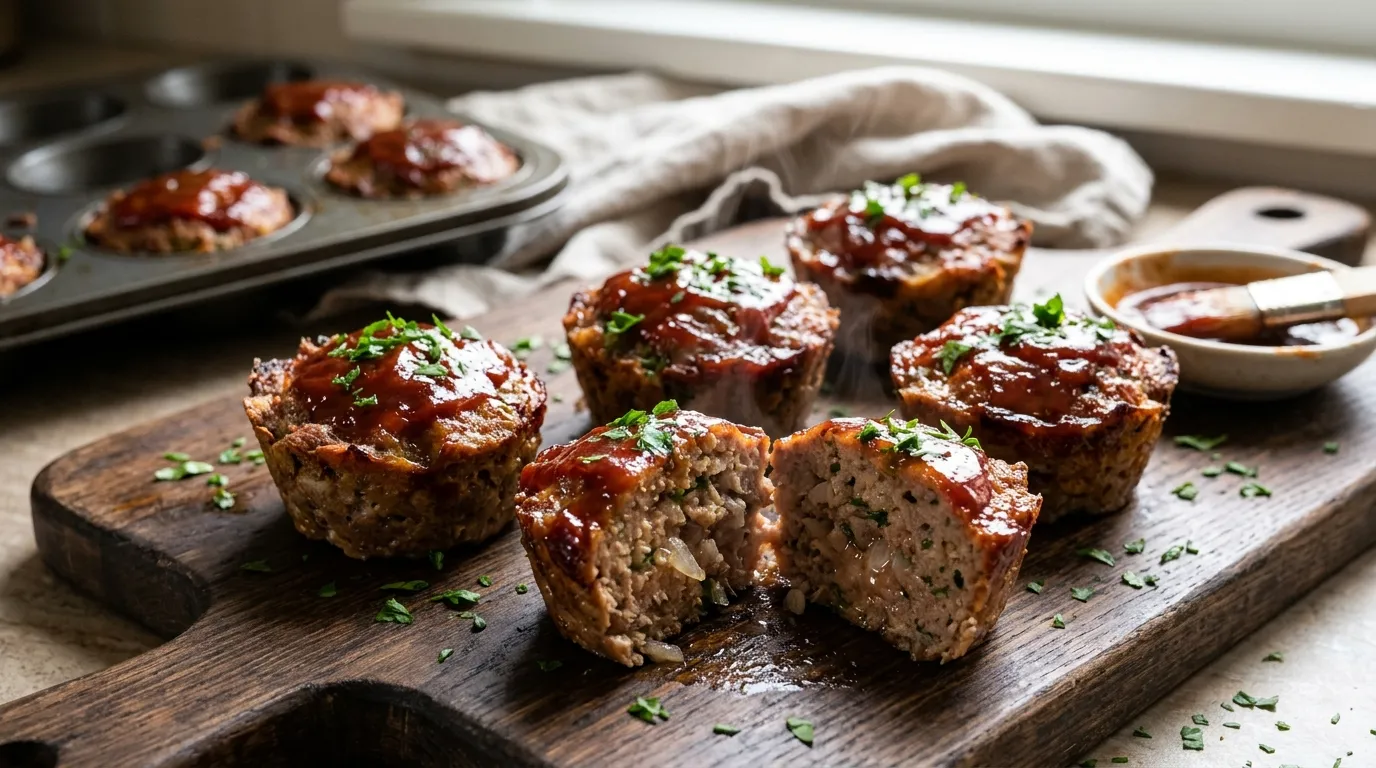
Mini meatloaf muffins serve as a convenient, time-efficient, and portion-controlled alternative to traditional family-sized meatloaf. Baking the mixture in individual cups speeds up the cooking time significantly while making cleanup simple for home cooks and meal planners alike.
Readers will find a reliable approach to streamlining weeknight dinners without sacrificing flavor. This guide covers practical preparation steps, baking tips, and storage methods.
Essential Ingredients and Binder Alternatives
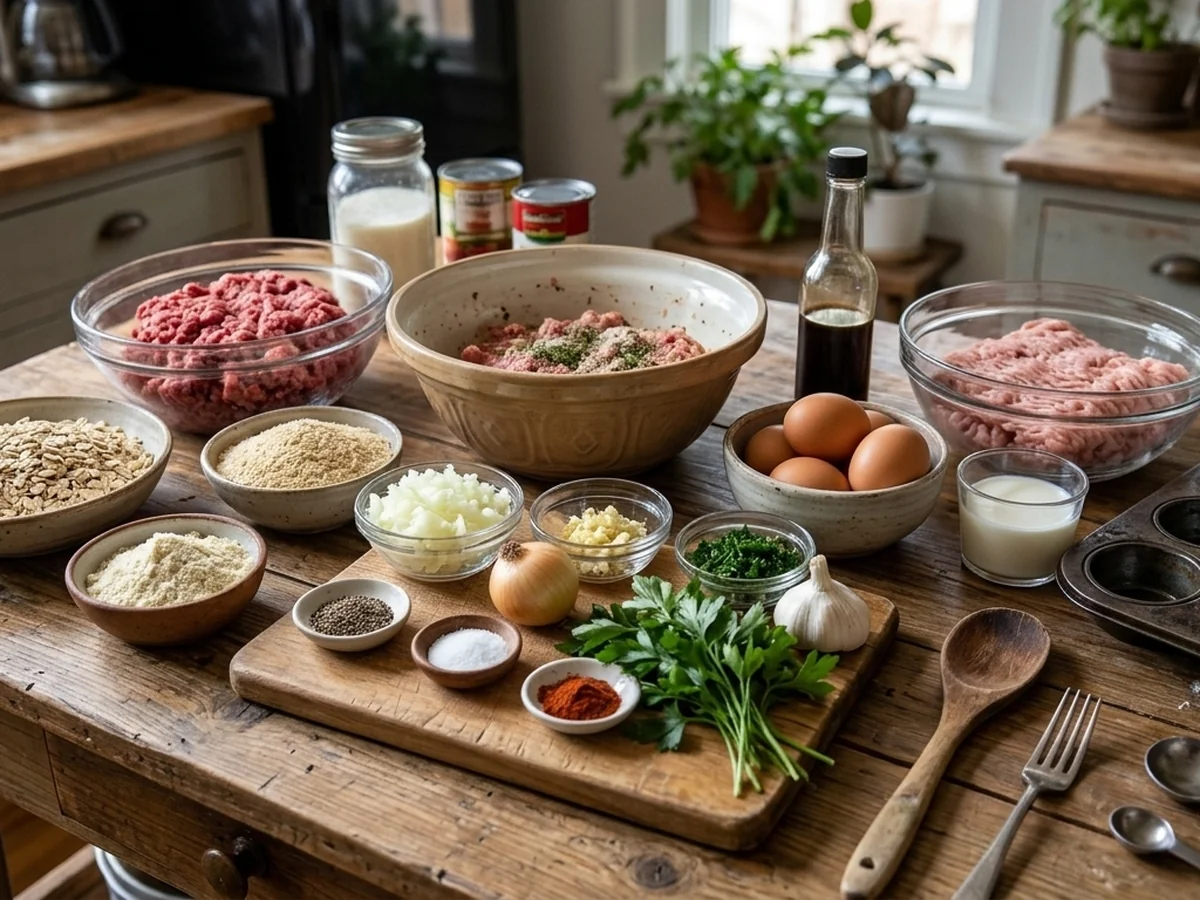
Making delicious portion-controlled mini meatloaf muffins starts with a solid foundation of quality proteins and savory flavor enhancers. Home cooks often choose between ground beef and ground turkey depending on personal preference and dietary goals, blending these meats with aromatic seasonings like garlic, onion, and various sauces to build maximum flavor. Selecting the right components ensures each individual portion holds together well and tastes rich without requiring complex preparation steps.
Proteins and Flavor Enhancers
Ground beef provides a traditional, savory flavor profile that many families prefer for classic comfort food dishes. Alternatively, ground turkey offers a leaner protein option that keeps individual baked portions light and tender. Mixing in aromatic seasonings such as minced garlic, onion powder, and black pepper infuses every single bite with savory depth. Condiments like ketchup or barbecue sauce mixed directly into the meat or brushed on top add a caramelized outer glaze during baking.
Using Oatmeal as a Smart Binder
Binders are equally important for achieving the ideal structure, and oatmeal can be used as a binder in meatloaf as a substitute for breadcrumbs. This alternative offers distinct texture benefits by absorbing moisture effectively while adding a hearty consistency and extra fiber to the dish compared to traditional panko options. Home cooks seeking meal prep mini meatloaves will find that rolled oats hold individual portions together securely without relying on mini meatloaf with breadcrumbs.
Preparation Essentials
Preparing the muffin tin correctly makes a significant difference in the final outcome. Common kitchen guidance dictates that greasing a muffin tin is necessary to prevent meatloaf muffins from sticking during the baking process. When handling raw ground beef or turkey, maintaining proper kitchen hygiene prevents cross contamination while filling each cup evenly to ensure uniform muffin tin meatloaf cooking time across the entire batch.
- Ground beef provides a traditional, savory flavor profile for classic meals.
- Ground turkey offers a leaner protein alternative that keeps individual baked portions light.
- Oatmeal acts as an effective binding agent that absorbs excess juices and creates a cohesive texture.
- Aromatic seasonings infuse every single bite with savory depth.
- Condiments like ketchup or barbecue sauce brushed on top create a flavorful glaze.
Preparing Your Muffin Tin and Safe Handling

Greasing a muffin tin is typically necessary to prevent individual portions from sticking during the baking process. A light coating of cooking oil or butter ensures that your food slides out smoothly without losing its shape. Placing a secondary baking sheet underneath the muffin tin can also help catch any grease drippings, keeping your oven clean and preventing smoke while the meat portions bake.
Handling raw ground meat when making mini meatloaf muffins requires careful attention to food safety guidelines from the USDA Food Safety and Inspection Service. Wash your hands thoroughly with soap and water before and after shaping the meat mixture. Using clean utensils or disposable gloves when filling the cups helps prevent cross-contamination in the kitchen, keeping your workspace sanitary for home cooks and families alike.
Proper Tin Preparation
Beyond simply applying oil or butter to your muffin tin, taking a moment to coat every crevice ensures that ingredients like ketchup or barbecue sauce glazes will not bake onto the metal and tear the edges of your baked portions. For home cooks focusing on easy cleanup and fast meal prep, paper liners can also be an option, though traditional greasing allows the exterior of the savory portions to develop a golden crust.
Safe Ground Meat Handling
Whether you are working with ground beef, ground turkey, or alternative proteins for your dinner routine, keeping raw ingredients separate from ready-to-eat foods is essential. Always sanitize cutting boards, mixing bowls, and counters immediately after portioning the meat mixture into your muffin tin. Using a reliable meat thermometer at the end of your muffin tin meatloaf cooking time provides the safest verification that the interior has reached the proper temperature required for safe consumption, while oatmeal can also be used as a binder in meatloaf as a substitute for breadcrumbs.
Baking Guidelines and Cooking Times
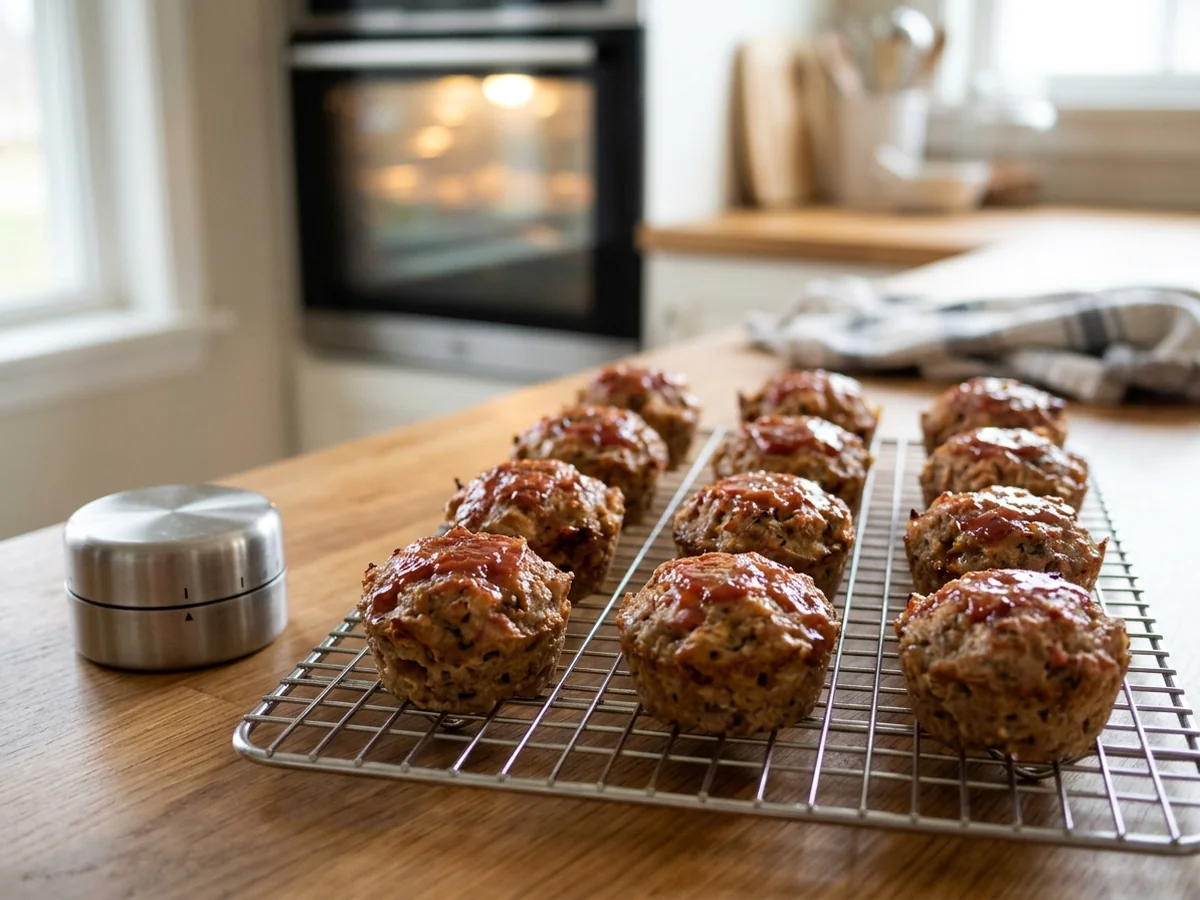
The standard baking time for mini meatloaf muffins is approximately 30 to 35 minutes when preparing a typical batch. Keeping an eye on the clock helps prevent the individual portions from drying out before they reach safety and texture standards. As common guidance, home cooks find that these portions typically bake at 350 degrees Fahrenheit. This moderate temperature allows the ground meat to cook thoroughly through the center while developing a nicely set exterior.
Adjusting the muffin tin meatloaf cooking time depends slightly on your oven and the specific meat mixture you choose. Leaner poultry blends often finish baking quickly, whereas heavier beef mixtures might require the full duration. Following an easy meatloaf muffin recipe ensures your portions cook evenly, but checking the internal temperature with a meat thermometer remains the safest method for confirming doneness. Always verify that ground meat meets safe internal temperature guidelines established by the USDA Food Safety and Inspection Service.
Preparation steps play a major role in achieving the right texture and preventing cleanup issues. Greasing a muffin tin is necessary to prevent meatloaf muffins from sticking during the baking process. When mixing your ingredients, remember that oatmeal can be used as a binder in meatloaf as a substitute for breadcrumbs, offering an alternative texture for your portions. Once baked, let the portions rest briefly in the pan before removing them so they hold their shape for serving or meal prep.
Verifying Doneness with a Meat Thermometer
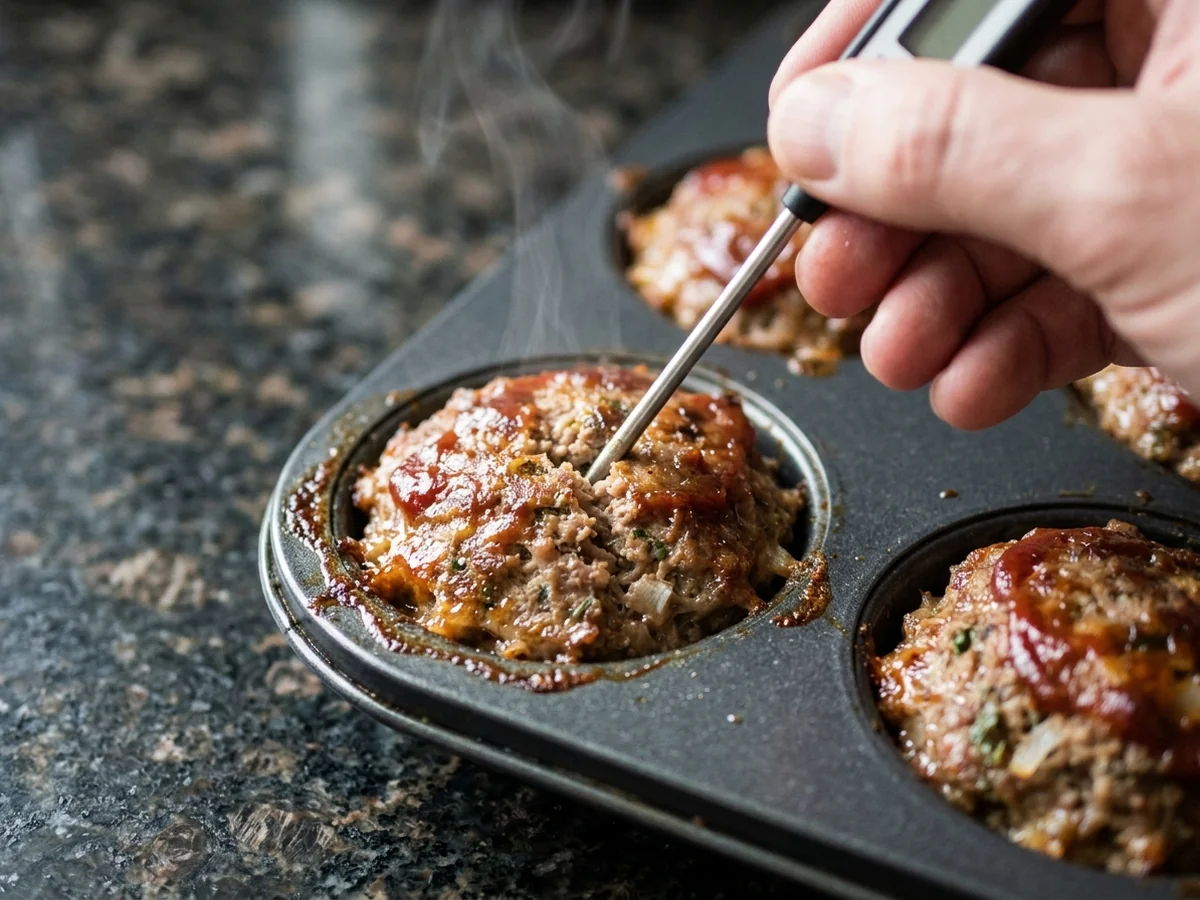
Using a meat thermometer is the only reliable method to confirm that your mini meatloaf muffins are safe to consume. While typical baking times for these individual portions often range between 30 and 35 minutes at 350 degrees Fahrenheit, internal temperatures can vary significantly based on the specific type of ground beef or ground turkey used, the density of your binder (such as panko breadcrumbs or oatmeal), and the exact size of the muffin tin cavities.
According to the USDA Food Safety and Inspection Service, ground meat must reach a specific safe internal temperature to ensure harmful bacteria are eliminated. Relying solely on a kitchen timer or visual cues, such as the color of the meat or the texture of the glaze, often leads to guesswork that can result in either overcooked, dry portions or undercooked centers. To get an accurate reading, insert the probe of your digital thermometer into the center of the largest muffin in the tin.
Common mistakes during this process include failing to reach the center of the meat or allowing the thermometer to touch the sides of the metal muffin tin, which provides a false high reading. If you find your muffins are browning on the outside but have not yet reached a safe temperature in the middle, you may need to reduce your oven heat slightly or shield the tops with foil to prevent burning while the interior finishes cooking. Mastering this step provides peace of mind for home cooks, especially when preparing these muffins for busy weeknight dinners or as part of a meal prep routine.
Glaze Variations: Ketchup versus Barbecue Sauce
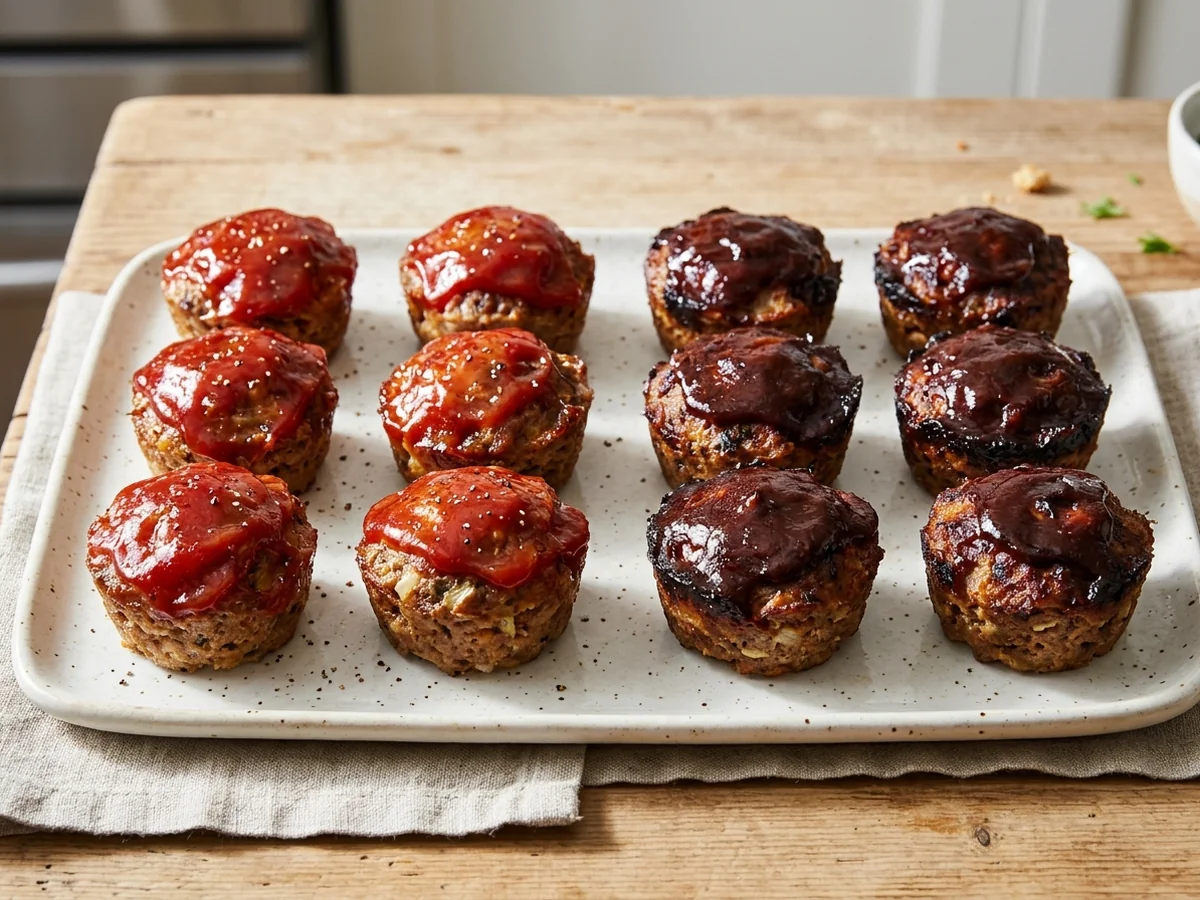
Choosing between classic ketchup and tangy barbecue sauce shapes the final flavor profile of your savory portions. Ketchup delivers a traditional, slightly sweet tang that complements ground beef and ground turkey exceptionally well. Barbecue sauce brings a smoky, deeper sweetness loaded with molasses and spices that changes the finished dish entirely. Both options caramelize nicely in the heat of the oven, but their sugar content requires careful timing to avoid burning.
Applying the glaze too early in the baking process exposes the tomato or molasses base to high heat for too long. This common mistake results in an unpleasant charred flavor and a bitter taste. For the best results when following an easy meatloaf muffin recipe, reserve the topping until the final minutes of cooking. This technique ensures a sticky, glossy finish that caramelizes properly without scorching.
Practical steps for applying the glaze involve using a pastry brush or the back of a spoon to spread a thin, even layer over the top of each portion. Putting too much sauce on at once can cause it to pool over the edges and burn on the metal surface. Timing the application correctly allows the sugars to thicken into a rich lacquer while the interior finishes cooking inside the muffin tin.
Meal Prep Strategies and Batch Scaling

Incorporating meal prep mini meatloaves into a weekly routine simplifies kitchen tasks and supports reliable portion control. Scaling the recipe for larger gatherings or busy weeknights requires minimal extra effort. Home cooks can easily double a base mixture to fill multiple pans at once, ensuring plenty of food is ready ahead of time.
Batch cooking brings clear advantages for efficient weekday dinners. Preparing extra portions in advance reduces active kitchen hours during busy evenings. When planning these sessions, cooks often rely on standard baking guidance, where mini meatloaf muffins typically bake at 350 degrees Fahrenheit. Standard timing for this style usually falls around 30 to 35 minutes, though verifying doneness with a meat thermometer remains the safest practice for handling ground meat.
To ensure success during prep sessions, proper pan preparation is essential. Greasing a muffin tin is commonly necessary to prevent meatloaf muffins from sticking during the baking process and to keep individual portions intact when removed. For pantry flexibility, oatmeal can be used as a binder in meatloaf as a substitute for breadcrumbs, which helps adapt the recipe to available ingredients.
After baking, proper storage keeps individual portions fresh for later in the week. Cooked portions stay fresh when sealed inside a food storage container and placed in the refrigerator for up to four days. A common mistake during batch preparation is skipping the cooling phase before sealing containers, which can trap condensation and affect texture. Allowing portions to cool completely before refrigeration maintains optimal quality for quick weekday lunches or dinners.
Serving Ideas Including Mashed Potato Topping

Serving individual portions allows for creative presentations that make weeknight family dinners more engaging. You can plate these savory bakes with various side dishes, or transform the meal entirely by adding a decorative garnish directly to the top of each portion. Meatloaf muffins with mashed potato topping create a fun and visually appealing presentation style that resembles individual shepherd pies. Piping or spooning potatoes onto each baked portion adds height and color to the dinner plate, combining the main course and a classic side into one neat package for home cooks seeking time-efficient dinner ideas.
Applying the Potato Topping
To execute this serving style successfully, apply the mashed potatoes after the mini meatloaf muffins finish baking and have cooled slightly. A common mistake is adding the potatoes too early before the meat structure sets, which can cause the topping to slide off. Spoon the potatoes into a piping bag or use a large star tip to swirl the mixture securely over each muffin. For an elevated finish, place the assembled portions under the oven broiler for a few minutes until the potato peaks turn golden brown, or sprinkle them with shredded cheddar cheese and chives right before serving.
Customizing Individual Portions
Individual presentations work well for family meal planning because every household member can customize their plate. While traditional recipes often rely on standard ingredients, home cooks can adapt the base by incorporating oatmeal as a binder in meatloaf as a substitute for breadcrumbs. This adds texture while maintaining the structural integrity needed for decorative toppings. Standard baking time for mini meatloaf muffins is typically around 30 to 35 minutes in an oven heated to 350 degrees Fahrenheit, and greasing a muffin tin is generally necessary to prevent sticking during the baking process. Once prepared, you can keep leftovers in the refrigerator for up to four days by placing them in a sealed, airtight container.
Storage, Refrigeration, and Freezing Instructions

Proper storage ensures your individual meatloaf portions remain safe and flavorful for future meals, making them an excellent choice for efficient batch cooking and busy schedules. According to common culinary guidance, cooked batches can be stored safely in the refrigerator inside an airtight container for up to four days. Letting individual portions cool completely before sealing helps prevent condensation from forming inside the container, which keeps the texture of the meatloaf cups from becoming soggy during refrigeration.
Refrigeration and Cooling Best Practices
Before transferring your baked portions to the refrigerator, allow them to rest at room temperature for a short period. Trapping hot steam inside a sealed container creates excess moisture, leading to an unappealing texture. If you notice excess moisture or fat accumulation after refrigeration, placing the portions on a wire rack during the reheating process can help drain away unwanted oils while maintaining a savory exterior.
Freezing for Long-Term Meal Prep
For longer storage, freezing cooked batches provides an easy solution for future weeknight dinners and efficient meal planning. Place the cooled portions onto a tray to freeze individually first, and then transfer them into a heavy-duty freezer bag. This flash freezing method prevents the portions from sticking together and makes it simple to pull out exact quantities whenever you need a quick meal, whether you are using ground beef, ground turkey, or alternative mixtures bound with panko breadcrumbs or oatmeal. Using oatmeal is a verified, effective way to bind these ingredients as a substitute for breadcrumbs.
Safe Thawing and Reheating Guidelines
When you are ready to serve frozen meal prep mini meatloaves, plan ahead by transferring them from the freezer to the refrigerator overnight to thaw safely. A common mistake is attempting to rush the thawing process at room temperature, which can invite bacterial growth. Once thawed, heat them thoroughly until piping hot throughout before serving. Always ensure the center of each portion reaches a safe internal temperature before enjoying your stored batch, using a meat thermometer if needed to verify thorough heating.
Frequently Asked Questions About Mini Meatloaf Muffins
How long do you cook mini meatloaf muffins?
Typical practice suggests baking these individual portions for approximately 30 to 35 minutes when the oven is set to 350 degrees Fahrenheit. Because cooking times can vary based on your specific oven and the ingredients used, always confirm that the center of each serving reaches a safe internal temperature using a meat thermometer before serving.
Do I need to grease the muffin pan?
It is generally recommended to grease your muffin tin to prevent the individual portions from adhering to the surface during the baking process. Applying a light layer of cooking spray or a small amount of oil helps ensure the finished items release easily without falling apart.
Can you use oatmeal instead of breadcrumbs?
Yes, oatmeal is an effective binder in meatloaf and serves as a functional substitute for breadcrumbs. According to guidance provided by the Connecticut State Department of Education, this pantry staple helps maintain the desired texture and structural integrity of the dish.
How should leftovers be stored?
For best results, keep any extra portions in a sealed container within the refrigerator. These savory bites generally maintain their quality for up to four days, making them a convenient option for future meals.
What is the best way to reheat them?
You can warm these up using a microwave or by placing them in a preheated oven until they are hot throughout. Covering them loosely during the reheating process is a helpful way to keep the exterior from drying out.
Conclusion
Baking successful individual portions comes down to proper pan preparation, careful temperature checking, and choosing binders that suit dietary preferences. Readers should experiment with different glaze options and incorporate these savory individual meatloaves into their regular meal rotation for quick and dependable weeknight dinners. Try adding these portions to weekly meal plans for effortless prep and portion control.
Sources: portal-staging.ct.gov