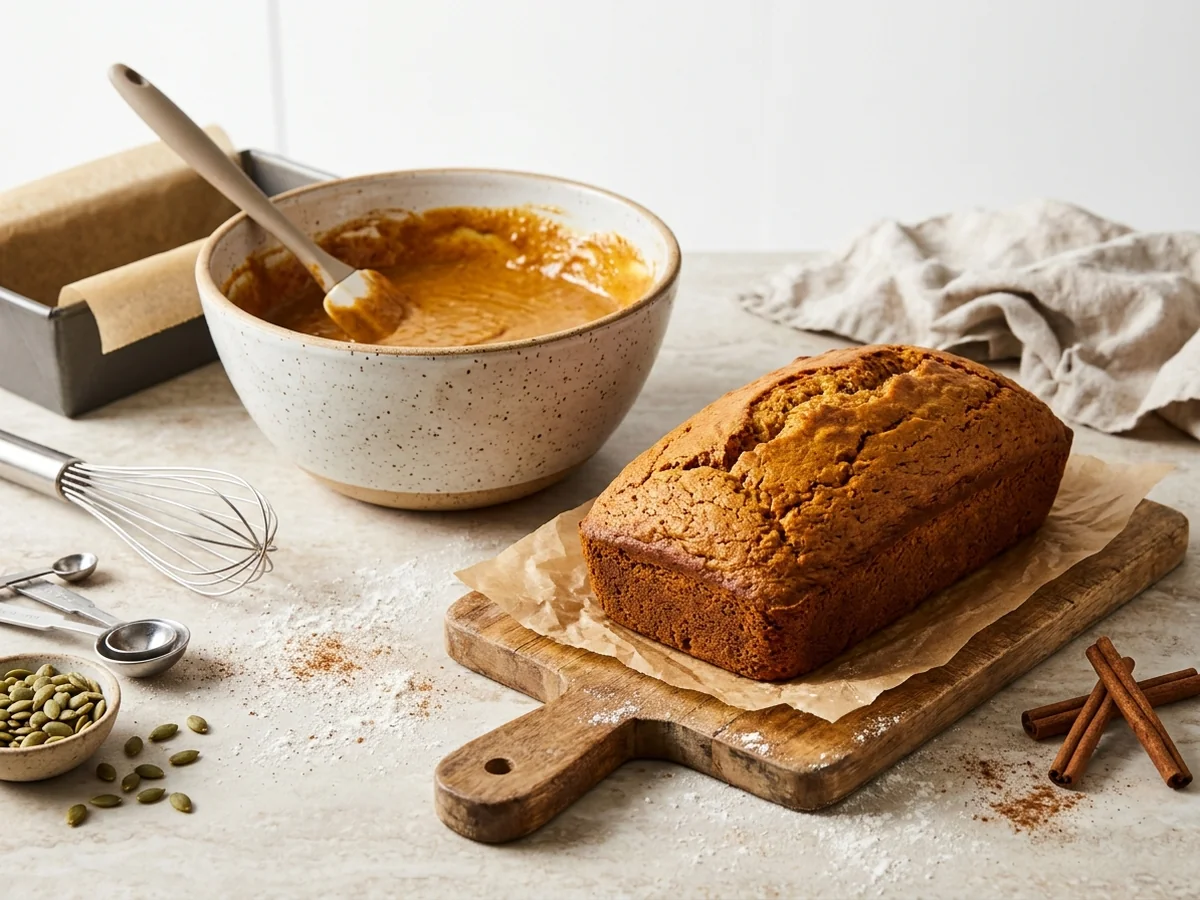
ultra moist fall pumpkin bread best fiber fuel recipe
Introduction
Fall pumpkin bread is a beloved autumn treat that combines warm spices with the natural sweetness of pumpkin. This article gives you an ultra moist, high‑fiber recipe and clear baking guidance.
You’ll learn which ingredients keep the crumb tender, how whole wheat flour and pumpkin puree boost fiber, and practical pumpkin bread baking tips to avoid common mistakes. The step‑by‑step instructions include mixing methods, oven temperature, and cooling tips so the loaf stays soft and flavorful. By the end, you’ll have a reliable, healthier pumpkin loaf that stands out from ordinary pumpkin bread.
Fall Pumpkin Bread Difference
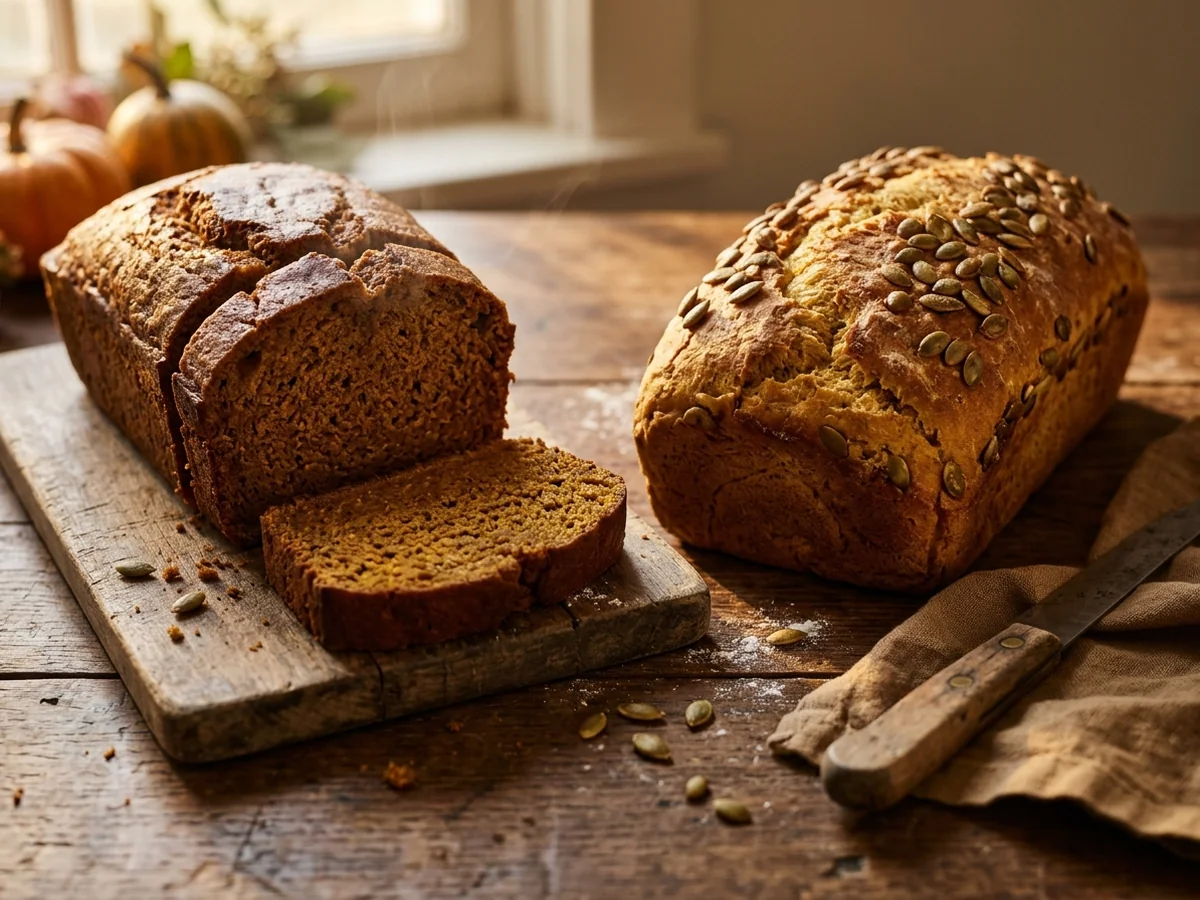
When you search for “fall pumpkin bread” you will often see two similar‑looking products: pumpkin bread and pumpkin loaf. Both use pumpkin puree for flavor, but the end result varies in texture, shape, and how the loaf behaves after it cools. Understanding these differences helps you choose the right recipe for the occasion and avoid common pitfalls.
Why texture matters
Pumpkin bread is designed to feel more like a quick‑bread cake. Recipes typically call for a generous amount of pumpkin puree, oil or melted butter, and sometimes a dairy additive such as yogurt. The higher liquid proportion creates a tender crumb that stays soft for days. Because the batter is relatively wet, it is usually baked in a rectangular loaf pan that allows the batter to spread evenly and produce a shallow, cake‑like profile.
Pumpkin loaf, on the other hand, leans toward a traditional bread structure. The liquid‑to‑flour ratio is lower, often achieved by using less oil and adding a bit more whole‑grain flour. This results in a firmer crumb that holds its shape when sliced. Bakers often select a narrower pan, which gives the loaf a taller, more columnar silhouette that resembles a classic sandwich loaf.
Practical steps to get the right result
- Measure liquids carefully. For a moist pumpkin bread, aim for at least one cup of pumpkin puree per two cups of flour. Add oil or melted butter in a 1‑to‑1 ratio with the puree. For a pumpkin loaf, reduce the puree to three‑quarters of that amount and increase the flour or add whole wheat flour to improve structure.
- Choose the appropriate leavening. Baking soda works well in both styles, but pumpkin bread often benefits from a small amount of baking powder to lift the batter and create an airy crumb. Pumpkin loaf can rely on soda alone, which gives a tighter grain.
- Mix with a gentle hand. Over‑mixing develops gluten and can make a pumpkin loaf tough. Use a Cuisinart food processor or a stand mixer on low speed just until the wet and dry ingredients are combined. Stop as soon as the batter is smooth.
- Adjust pan size. Use a 9‑by‑5‑inch rectangular pan for pumpkin bread; fill it two‑thirds full. For pumpkin loaf, a 9‑by‑9‑inch square pan or a narrow 8‑by‑4‑inch loaf pan works best; fill it halfway to allow for a higher rise without spilling.
- Mind the bake time. Pumpkin bread usually bakes at 350°F for 45‑55 minutes, while pumpkin loaf may need a slightly longer 55‑65 minutes at the same temperature to ensure the interior sets fully.
Common pumpkin bread mistakes and how to avoid them
- Too much liquid. Adding extra milk, applesauce, or excess puree can cause the crumb to collapse once it cools. Stick to the measured ratios and test the batter’s consistency , it should be thick but pourable.
- Insufficient moisture. Skipping oil or using low‑fat pumpkin puree results in a dry, crumbly loaf. Even a small amount of melted butter or a spoonful of yogurt can keep the texture moist.
- Over‑baking. Leaving the bread in the oven beyond the recommended time dries the crumb and eliminates the desired softness. Begin checking with a toothpick after the minimum time; it should come out with a few moist crumbs attached.
- Wrong pan. Using a deep, narrow pan for a batter meant for a shallow loaf can trap steam, leading to a gummy center. Match the pan to the recipe’s intended shape.
- Skipping cooling. Cutting into the loaf while it is still hot forces the crumb to crumble. Let the pumpkin bread rest on a wire rack for at least 15 minutes before slicing.
Choosing between pumpkin bread and pumpkin loaf
If you want a sweet, dessert‑like treat that pairs well with a light glaze, a moist pumpkin bread is the better choice. Its tender crumb stays soft when toasted, making it ideal for quick breakfasts or frozen slices. If you need a sturdier slice that can support toppings such as nut butter, cheese, or a hearty spread, the pumpkin loaf’s firmer texture holds up better and stays fresh longer at room temperature.
- Use pumpkin bread for a soft, cake‑like slice that stays moist.
- Select pumpkin loaf for a firmer, bread‑like slice that maintains structure.
High‑Fiber Ingredients for a Healthier Pumpkin Bread
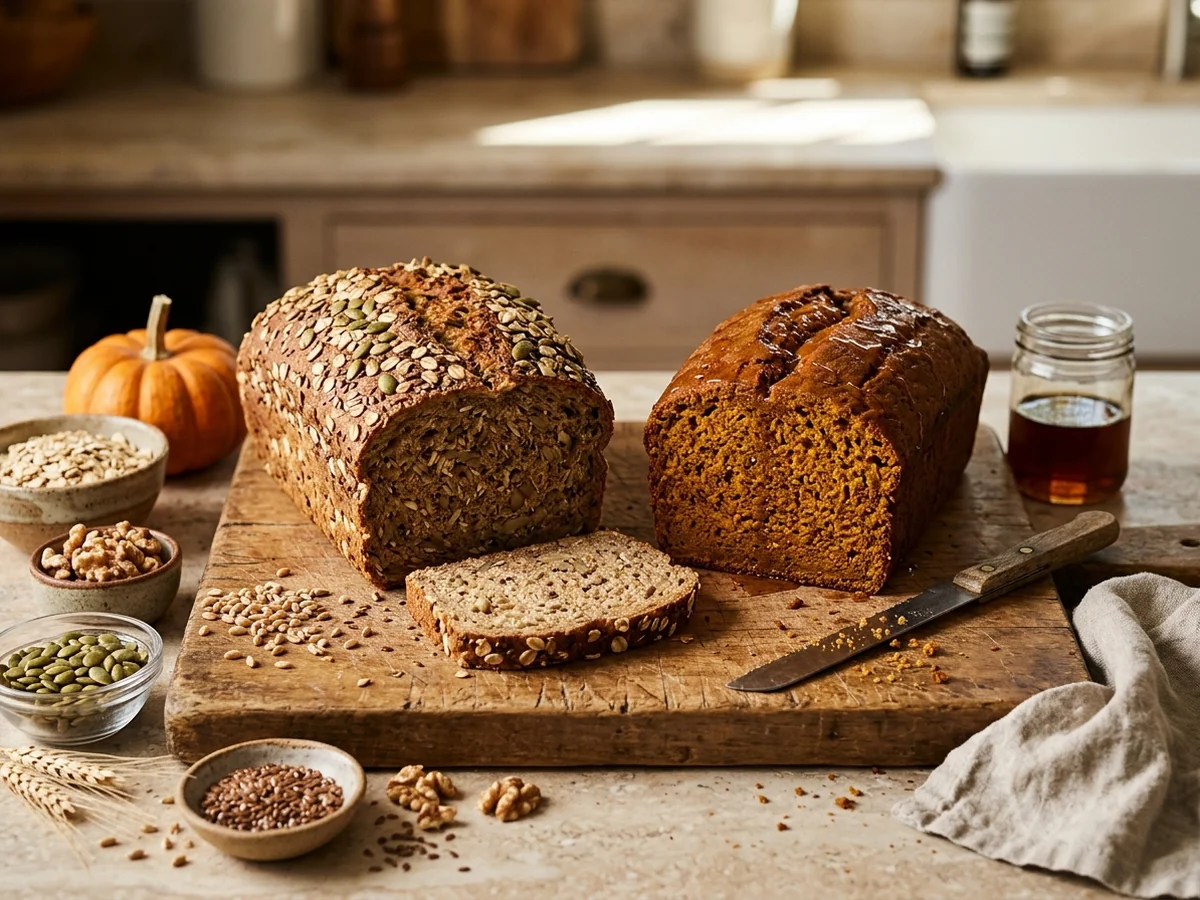
Choosing ingredients that boost fiber does more than increase nutrition; it also influences moisture, crumb structure, and overall satisfaction. When the goal is a moist pumpkin bread that stays fresh longer, whole‑grain flours and targeted fiber add‑ins work together to create a balanced loaf without sacrificing the classic fall flavor.
Whole grain flours
Whole wheat flour is the cornerstone of a high‑fiber pumpkin bread. Its bran and germ provide a natural nutty taste that complements the sweet, earthy notes of pumpkin puree. Because the bran absorbs liquid, the flour helps retain moisture during baking, which is essential for an ultra‑moist crumb.
- Replace a portion of the all‑purpose flour with whole wheat flour to add fiber while preserving a tender texture. The remaining refined flour keeps the crumb from becoming overly dense.
- The coarser particles of whole wheat create a subtle bite that contrasts pleasantly with the smooth pumpkin base, giving the loaf a more complex mouthfeel.
- Fiber from whole wheat slows digestion, which can help the loaf feel more satisfying and keep cravings at bay.
- When you increase whole wheat flour, add a little extra liquid, such as an extra tablespoon of milk, water, or pumpkin puree, to maintain the desired batter consistency and prevent a dry crumb.
Fiber‑rich add‑ins
Supplementary ingredients listed in the U.S. Department of Agriculture FoodData Central, such as oat bran, ground flaxseed, and psyllium husk, are proven sources of dietary fiber. Incorporating them in modest amounts raises the fiber content without overwhelming the flavor profile.
- Oat bran blends easily into the batter, contributing a mild oat flavor and a pleasant chew. Its soluble fiber helps retain moisture, which is especially useful in a recipe that aims for extra softness.
- Ground flaxseed adds a nutty depth and a small boost of omega‑3 fatty acids. The mucilage released by flaxseed binds liquid, acting like a natural humectant that keeps the loaf moist throughout cooling.
- Psyllium husk forms a gel when mixed with liquid, reinforcing crumb stability and preventing the bread from collapsing as it cools. Because it is flavor‑neutral, it can be used without altering the taste of the pumpkin bread.
- Typical use ranges from one to two tablespoons of each add‑in, adjusted to personal preference. Combining them provides a varied fiber profile, soluble, insoluble, and functional, that supports both texture and health benefits.
Why these ingredients matter
High‑fiber pumpkin bread benefits from the synergy of whole grain flour and fiber add‑ins. The bran in whole wheat flour creates a sturdy matrix that traps air pockets, while soluble fibers from oat bran and psyllium absorb and release moisture during baking and cooling. This dual action yields a loaf that is moist on the inside, tender on the outside, and resistant to rapid staling.
Practical steps for a high‑fiber loaf
- Measure the flours accurately; sift the all‑purpose and whole wheat flours together to ensure even distribution.
- Combine oat bran, ground flaxseed, and psyllium husk with the dry ingredients before adding wet components. This prevents clumping and ensures each bite receives a consistent fiber boost.
- Increase the liquid proportion slightly, add an extra tablespoon of milk or pumpkin puree for every quarter cup of whole wheat flour used.
- Mix the batter just until combined. Over‑mixing can develop gluten from the whole wheat, leading to a tougher crumb.
- Bake at a moderate temperature recommended for pumpkin bread, then allow the loaf to cool on a rack. Cooling helps the fibers set, preserving moisture.
Common pumpkin bread mistakes and how to avoid them
- Using too much whole wheat flour: Excessive whole grain can make the bread dry and heavy. Stick to the recommended substitution ratio and adjust liquids accordingly.
- Skipping the extra liquid: Whole wheat and fiber add‑ins absorb more moisture. Failing to increase the liquid results in a crumb that feels dry rather than moist.
- Over‑mixing the batter: This can develop gluten and create a dense texture. Mix until ingredients are just incorporated.
- Neglecting proper cooling: Cutting into the loaf while it’s still hot releases steam too quickly, leaving the interior dry. Cool completely on a wire rack before slicing.
By understanding the role of each high‑fiber ingredient and following these practical steps, home bakers can produce a fall pumpkin bread that is both nutritionally richer and delightfully moist, setting it apart from standard pumpkin loaf recipes.
The Ultra Moist Pumpkin Bread Recipe
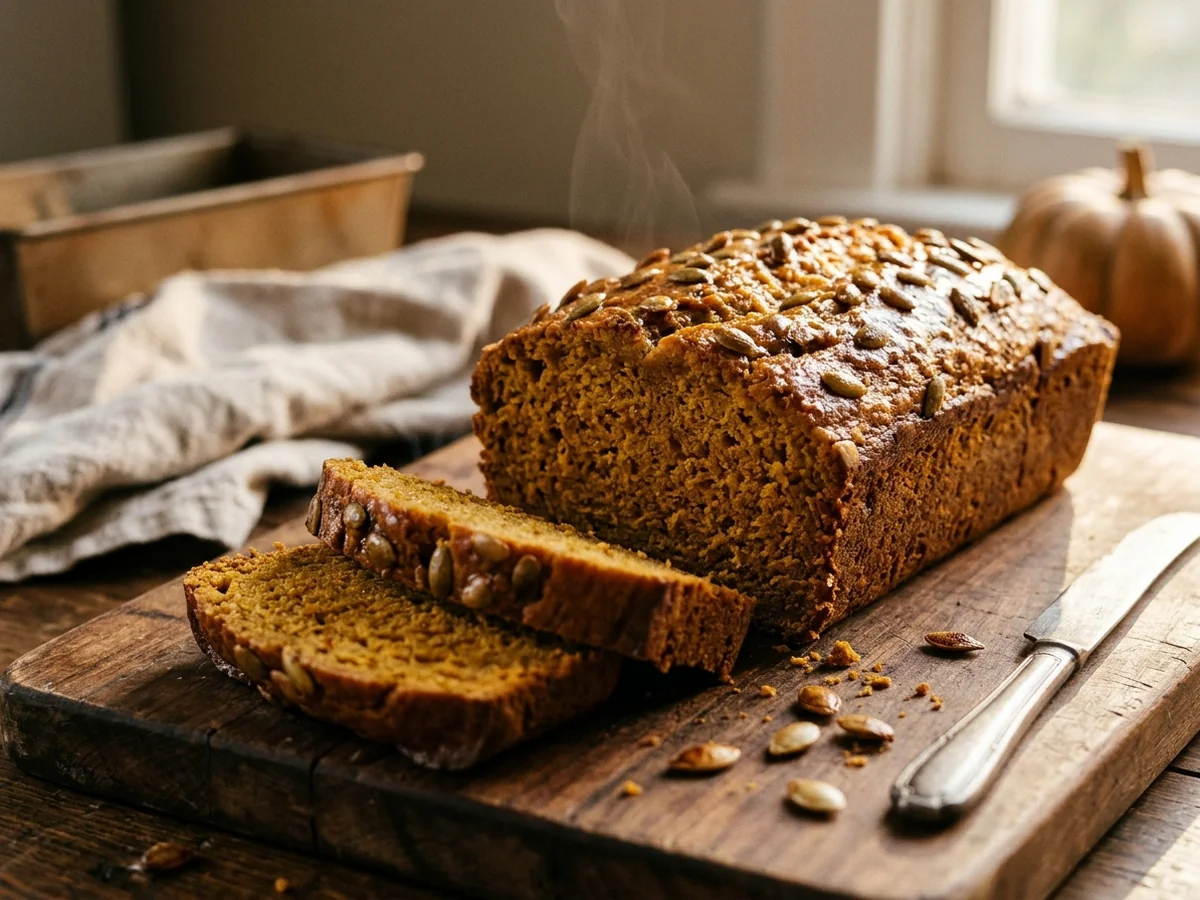
Ingredient list
Start with a blend of 1 ½ cups all‑purpose flour and ½ cup whole‑wheat flour. The combination gives the loaf a sturdy crumb while adding dietary fiber. Add 1 tsp baking soda and ½ tsp salt for lift and flavor balance. Warm spices , 1 tsp ground cinnamon, ¼ tsp each of ground nutmeg and ground ginger , create the classic autumn profile.
For moisture and richness, melt ⅓ cup unsalted butter and mix it with ½ cup brown sugar and ¼ cup honey. The honey contributes natural sweetness and helps retain moisture during baking. Beat in 2 large eggs, then fold in 1 cup pumpkin puree (such as Nestlé) and ½ cup plain Greek yogurt. The puree supplies water, fiber, and natural pumpkin flavor, while the yogurt adds tang, protein, and additional moisture that keeps the crumb tender.
All ingredients are pantry‑friendly and can be measured with standard kitchen tools. Using a reliable brand like King Arthur Flour ensures consistent texture, and a Cuisinart food processor makes the mixing process quick and even.
Step‑by‑step directions
1. Preheat the oven to 350 °F and line a 9 × 5‑inch loaf pan with parchment paper. A steady temperature is essential for even rise and a golden crust.
2. In the food processor, pulse the flours, baking soda, salt, and spices for a few seconds. This short burst distributes the leavening agents and spices without over‑working the flour, which can develop excess gluten.
3. Transfer the dry blend to a large mixing bowl. This keeps the wet and dry components separate until the final combine.
4. Return the processor to the bowl and blend the melted butter, brown sugar, honey, and eggs until the mixture is smooth and glossy. The butter must be fully melted; if it is too hot it can cook the eggs, so let it cool slightly before adding.
5. Add the pumpkin puree and Greek yogurt to the wet mix. Process briefly , just enough to achieve a uniform batter. Over‑mixing at this stage can cause the batter to become too thin, which leads to a flat loaf.
6. Pour the wet batter over the dry ingredients. Using a rubber spatula, fold the mixtures together in gentle strokes. Stop as soon as the flour is incorporated; a few streaks of flour are acceptable and will disappear during baking.
7. Scrape the batter into the prepared pan, smooth the surface, and place the pan on the middle rack. Baking on the middle rack allows heat to circulate evenly around the loaf.
8. Bake for roughly 55 minutes, but begin checking at the 45‑minute mark. Insert a toothpick into the center; it should emerge with a few moist crumbs but no wet batter. If the top browns too quickly, loosely cover it with foil to prevent over‑browning while the interior finishes cooking.
9. Once done, let the loaf rest in the pan for 10 minutes. This short steam period finishes the crumb structure. Afterward, turn the bread onto a wire rack to cool completely; cooling prevents the bottom from becoming soggy.
Why each step matters
Preheating creates an immediate oven spring, while a parchment‑lined pan prevents sticking and makes removal easier. Pulsing dry ingredients ensures that the leavening agent is evenly spread, which avoids pockets of uneven rise. Combining wet ingredients separately guarantees that the butter and sugar dissolve fully, giving a smooth crumb.
The brief pulse with pumpkin puree and yogurt creates a homogenous batter without breaking down the gluten network too much. This balance is what keeps the loaf moist yet airy. The final gentle fold is the key to preventing a dense texture , over‑mixing activates gluten, resulting in a tough crumb.
Common pumpkin bread mistakes and how to avoid them
- Using too much flour. Measuring by weight or spooning flour into a measuring cup and leveling it prevents a dry loaf.
- Over‑mixing the batter. Stop stirring as soon as the flour disappears; a few streaks are fine.
- Skipping the cooling step. Cutting into the bread while it’s hot releases steam, making the interior gummy.
- Ignoring oven variations. Every oven behaves differently; start checking early and use a toothpick test rather than relying solely on time.
- Using low‑fat pumpkin puree. Choose a puree with some natural moisture; overly thick puree can dry the crumb.
Baking temperature and timing
Maintaining a steady 350 °F allows the loaf to bake evenly. The moderate heat gives the pumpkin puree and yogurt time to release steam, which the crust captures, resulting in a soft interior. Because ovens can run hotter or cooler, the toothpick test is the most reliable indicator of doneness. Removing the bread at the right moment preserves the ultra‑moist texture that distinguishes this recipe from standard pumpkin loaf variations.
Pumpkin Bread Baking Tips for Consistent Results
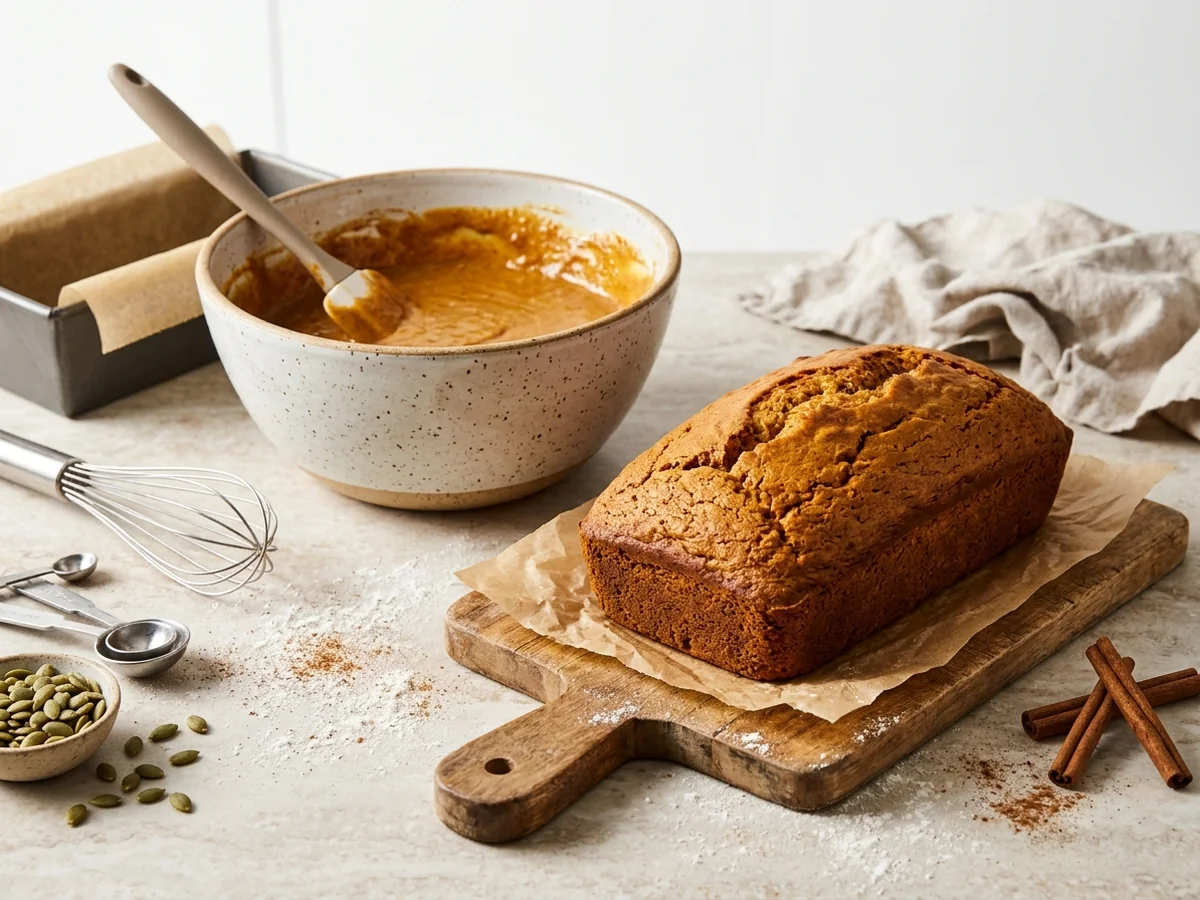
Mixing techniques
Over‑mixing the batter develops gluten in the flour, which turns the crumb dense and heavy instead of light and tender.
- Combine dry ingredients first, then stir in wet ingredients just until they are incorporated.
- A gentle folding motion helps keep the batter airy and prevents excess gluten formation.
- Avoid using a high‑speed mixer once the flour is added; a low speed or hand stir is sufficient.
- If the batter looks slightly streaky, let it rest a few minutes before the final stir; this relaxes the gluten.
Pan selection
Choosing the right loaf pan ensures even heat distribution, which is key to a uniform rise and a moist interior.
- Metal pans, such as aluminized steel, conduct heat quickly and promote a crisp crust while keeping the center soft.
- Silicone pans heat more slowly, reducing the risk of over‑browning on the edges and allowing a steadier bake.
- Both materials fit standard 9‑by‑5‑inch loaf dimensions, so recipes designed for a typical loaf pan work without adjustment.
- Place the pan on the middle rack to avoid hot spots from the oven’s top or bottom elements.
Oven considerations
Altitude affects leavening and moisture loss; bakers in high‑elevation areas should tweak the recipe for consistent results.
- At elevations above 5,000 feet, reduce baking soda by about one‑quarter to prevent excessive rise and collapse.
- Increase the oven temperature by 15‑25 °F (approximately 10 °C) to compensate for lower atmospheric pressure, which slows heat transfer.
- Add an extra tablespoon of liquid, such as milk or pumpkin puree, to counteract the drier environment and keep the crumb moist.
- The Colorado high‑altitude source recommends checking the loaf at the earliest bake time and covering it loosely with foil if it browns too quickly.
- Allow the bread to cool in the pan for 10 minutes before turning it out; this helps set the structure that might otherwise be fragile at altitude.
Fall Pumpkin Bread Mistakes
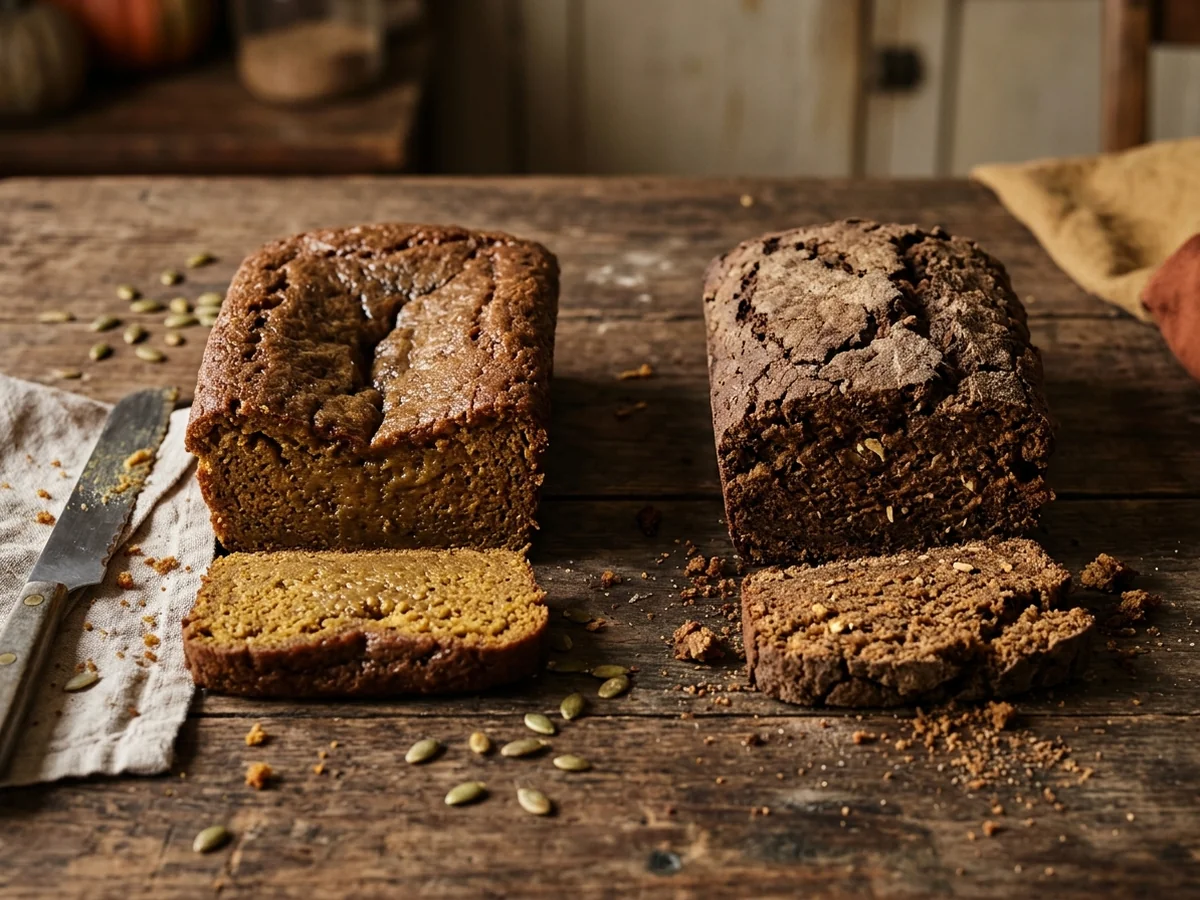
Understanding the reasons behind common errors makes it easier to prevent them. Pumpkin bread relies on a delicate balance between moisture, structure, and flavor. When any part of that balance is disturbed, the loaf can turn out soggy, dry, or overly spiced, which defeats the goal of a moist, high‑fiber breakfast treat.
Removing the loaf from the pan too early is one of the most frequent missteps. The batter continues to set as it cools, and the heat trapped in the pan helps the interior finish cooking evenly. Pulling the bread out while the center is still soft can cause a gummy crumb that never firms up. The recommended practice is to let the loaf sit in the pan for the time stated in the recipe, usually ten to fifteen minutes, then turn it onto a wire rack. This gradual cooling lets steam escape, preserving a tender crumb while preventing a soggy base.
Adding too much flour is another common pitfall. Pumpkin puree supplies a lot of liquid, and the recipe’s flour amount is calibrated to absorb just enough to create structure without drying the bread. Extra flour soaks up moisture that should remain in the crumb, resulting in a dense, crumbly texture. To avoid this, measure flour with the spoon‑and‑level method or, better yet, weigh it on a kitchen scale. Consistency in measurement is especially important when swapping all‑purpose flour for whole wheat flour, which has a higher absorption rate.
Unbalanced spice ratios can overwhelm the natural sweetness of pumpkin. The classic blend of cinnamon, nutmeg, and ginger is designed to complement, not dominate, the flavor profile. Adding too much of any one spice creates a harsh taste that masks the pumpkin’s subtle earthiness. A practical tip is to combine the spices in a small bowl, taste a spoonful of batter, and adjust only after a brief trial. This step helps maintain the intended flavor harmony.
Over‑mixing the batter is often overlooked but has a big impact on texture. When the wet and dry ingredients are combined for too long, gluten development increases, leading to a tougher crumb. Mix just until the flour disappears; a few small lumps are acceptable and will disappear during baking. Using a stand mixer on low speed or folding the batter with a spatula can help control mixing time.
Ignoring altitude adjustments can cause the loaf to rise too quickly and then collapse. At higher elevations, lower air pressure means baked goods set faster, so a recipe that works at sea level may need reduced leavening agents or a slightly higher oven temperature. Bakers in mountainous regions should consult reputable sources such as the Colorado agriculture office for altitude‑specific guidance.
Skipping the pre‑heat is a simple mistake that affects the oven’s ability to create a stable rise. A fully pre‑heated oven ensures the batter receives immediate, even heat, which is crucial for achieving a moist interior and a golden crust. Use an oven thermometer to verify that the temperature matches the setting before sliding the pan in.
Using low‑quality pumpkin puree can introduce excess water or inconsistent flavor. Brands that add thickeners or extra sugar may alter the moisture balance, requiring adjustments to flour or sweetener amounts. Choosing a pure pumpkin puree, such as the one offered by a major food manufacturer, helps keep the recipe predictable.
By recognizing why each mistake occurs and applying these practical steps, home bakers can consistently produce a fall pumpkin bread that is moist, flavorful, and nutritionally satisfying. The combination of proper cooling, accurate measurements, balanced spices, careful mixing, altitude awareness, thorough pre‑heating, and quality ingredients addresses the most common errors and sets the stage for a successful loaf every time.
Fall Pumpkin Bread Nutrition
Why fiber matters in pumpkin bread
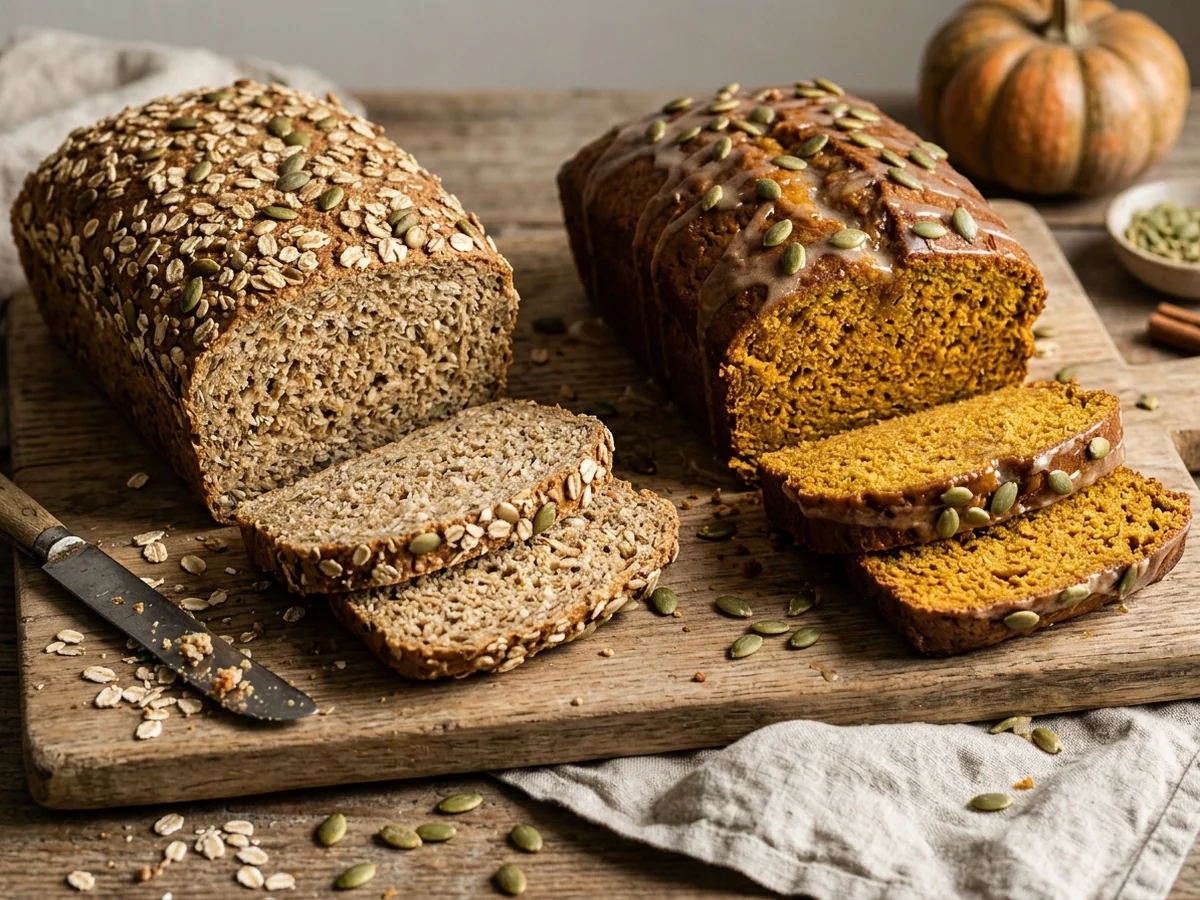
Choosing high‑fiber ingredients such as whole‑grain flours and pumpkin puree gives the loaf a nutritional edge. Dietary fiber supports heart health, helps keep cholesterol in a normal range, and encourages regular digestion. When fiber is present in the batter, it remains largely intact after baking, so each slice continues to provide those benefits. Using a blend of whole wheat flour, oat flour, or rolled oats adds soluble fiber, which slows the absorption of sugars and can help maintain a feeling of fullness throughout the morning.
Practical steps for a high‑fiber pumpkin loaf
1. Select the right base. Substitute at least half of the all‑purpose flour with whole wheat flour or a mixture of oat flour and whole wheat. This simple swap increases fiber without compromising structure.
2. Incorporate pumpkin puree. Use a quality puree, such as the brand supplied by Nestlé, which brings natural moisture and a modest amount of fiber. Because pumpkin is low in fat, the loaf stays moist when paired with a small amount of oil or melted butter.
3. Add complementary fiber sources. A handful of chopped nuts, seeds, or a sprinkle of wheat bran can boost the fiber content further. These additions also add texture, making the crumb more interesting.
4. Balance leavening. Baking soda works well with the acidity of pumpkin and any added yogurt or buttermilk. Follow the ratio recommended by reputable baking resources such as King Arthur Flour to ensure the loaf rises evenly.
Sugar moderation for heart‑healthy sweetness
Replacing refined white sugar with natural sweeteners reduces added sugars while preserving moisture. Pure maple syrup, honey, or mashed ripe bananas each contribute a subtle sweetness and trace minerals that refined sugar lacks. When using a liquid sweetener, decrease the total liquid in the recipe by about one‑quarter cup to keep the crumb from becoming too dense.
If a low‑calorie option is preferred, a modest amount of stevia or monk‑fruit blend can be used. These sweeteners are many times sweeter than sugar, so a small quantity is sufficient. Adjust the recipe by adding a pinch of extra vanilla or cinnamon to round out the flavor profile.
Typical pitfalls to avoid when baking pumpkin bread
- Overmixing the batter. Excessive stirring develops gluten, leading to a tough crumb. Mix until the wet and dry ingredients are just combined.
- Using too much liquid. Pumpkin puree already provides moisture; adding extra milk or water can make the loaf soggy. Measure liquids carefully.
- Skipping the preheat. Baking at the correct temperature (usually 350 °F) ensures the bread sets before the edges over‑brown. A preheated oven also promotes even rise.
- Ignoring altitude adjustments. At higher elevations, the batter may need a slight reduction in leavening and an increase in flour. Guidance from the Colorado Department of Agriculture’s high‑altitude pumpkin bread release outlines these tweaks.
- Under‑baking. Pumpkin bread continues to cook as it cools, but a partially raw center can lead to a gummy texture. Insert a toothpick; it should emerge with a few moist crumbs, not wet batter.
Understanding pumpkin loaf vs. pumpkin bread differences
While the terms are often used interchangeably, a pumpkin loaf typically refers to a denser, sliceable product baked in a standard loaf pan, whereas pumpkin bread may be lighter and sometimes baked in a muffin tin for individual portions. The ingredient ratios are similar; the main distinction lies in pan size and resulting crumb texture. Home bakers can choose either format based on serving preferences.
Where to verify nutrient details
For a complete picture of calories, protein, fat, and micronutrients, consult the U.S. Department of Agriculture’s FoodData Central database. Entries for pumpkin puree, whole wheat flour, and common sweeteners provide up‑to‑date nutrient values that can be used to calculate the loaf’s overall profile.
FAQ
How long can I keep fall pumpkin bread at room temperature?
Freshly baked loaf stays moist for up to three days when stored at room temperature. Keep it in an airtight container to retain the moisture that the recipe’s oil‑and‑puree blend provides. For longer storage, move to the refrigerator or freezer.
What is the safest way to refrigerate fall pumpkin bread?
Wrap the loaf tightly in plastic wrap or foil before placing it in a sealed container and refrigerate for up to one week. FoodSafety.gov advises that baked goods should be cooled to room temperature before refrigeration to avoid condensation that can make them soggy. This method preserves the bread’s ultra‑moist texture.
How should I freeze fall pumpkin bread for best results?
Freeze the loaf in individual slices wrapped in parchment paper, then sealed in a freezer bag for up to three months. Thaw slices at room temperature or warm briefly in the oven; the added moisture from the pumpkin puree helps the bread re‑hydrate without drying out.
Can I store fall pumpkin bread with other baked items?
Store the loaf separately from dry baked goods to prevent moisture transfer. The high‑fiber ingredients and extra moisture in this recipe can make nearby items softer if they share the same container.
What tip helps keep fall pumpkin bread moist after baking?
Brush the hot loaf with a light glaze of melted butter mixed with a touch of maple syrup while it cools. The glaze seals in steam from the pumpkin puree and whole‑grain flour, extending the bread’s soft crumb for several days.
Recap the key steps to achieving ultra moist, high‑fiber fall pumpkin bread
Start by mixing whole‑grain flour with a modest amount of baking soda and a pinch of salt, then whisk the pumpkin puree, eggs, a touch of oil, and a sweetener until smooth. Fold the dry ingredients in gently to keep the batter airy, and bake at a moderate temperature until a toothpick comes out with a few moist crumbs. This sequence locks in moisture while the fiber‑rich flour boosts nutrition.
Encourage readers to experiment with the suggested ingredient swaps
Feel free to replace part of the wheat flour with oat or oat bran for extra texture, or swap the oil for melted coconut butter for a subtle flavor twist. Adjust spices to taste, or add chopped nuts for crunch. These simple swaps let you personalize the loaf while keeping it ultra moist and high in fiber.
Conclusion
Follow the outlined steps for a reliably moist loaf, then explore the suggested variations to make the recipe your own. Enjoy baking your perfect fall pumpkin bread.
You might also like: Lemon Detox Water Recipe